
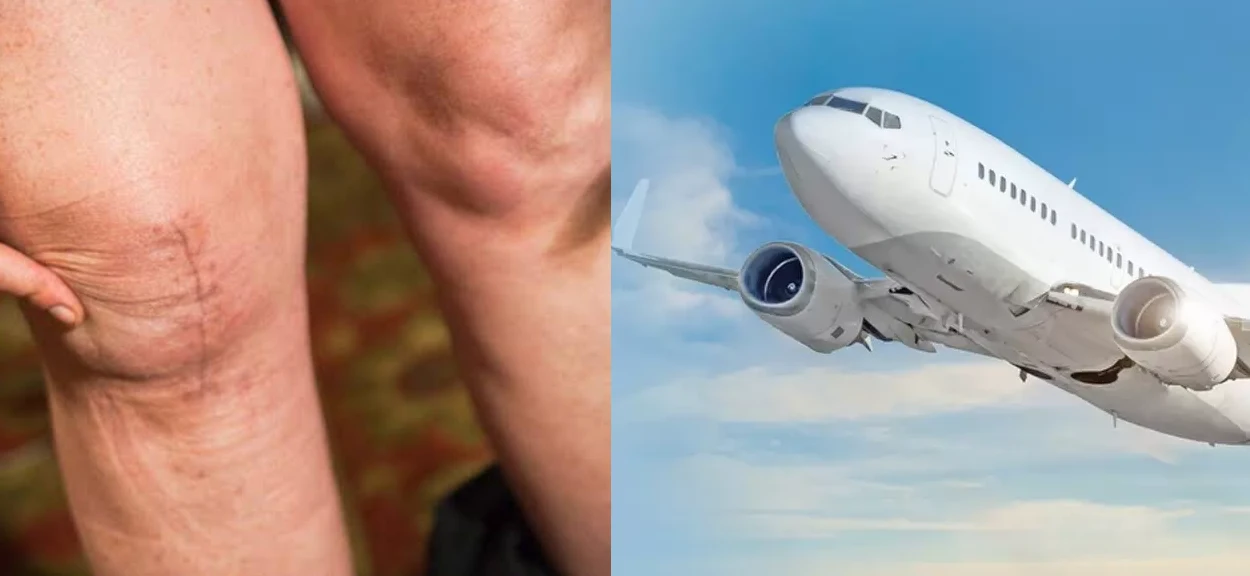
The question comes up more often than you’d expect, usually from patients who booked a trip before they knew surgery was on the calendar, or from families abroad wondering when it’s safe to visit. It’s a fair question flying puts the body through conditions that ordinary daily life doesn’t, and a healing joint interacts with those conditions in ways worth understanding rather than guessing at.
The short answer: most patients can fly four to six weeks after joint replacement, sometimes a little earlier for short domestic hops, sometimes later for long-haul international travel. The real answer, as usual, depends on the specifics.
Why Flying Is Different From Just Sitting
Two separate risks are at play here, and they don’t get resolved on the same timeline.
Blood clot risk (DVT). Joint replacement surgery already elevates the risk of deep vein thrombosis for several weeks afterward, it’s one of the reasons patients are given blood thinners and encouraged to move early, covered in more depth in knee replacement complications and how to avoid them. Flying compounds this risk independently, through prolonged immobility, cabin pressure changes, and mild dehydration from low cabin humidity. The combination of “recently had major joint surgery” and “sitting still for several hours at altitude” is precisely the scenario DVT prevention protocols are designed around.
Joint swelling and comfort. Sitting with a healing knee or hip bent at 90 degrees for hours, without the ability to get up and move whenever you’d like, tends to increase swelling and stiffness not dangerous, but genuinely uncomfortable, and occasionally significant enough to set back the day’s mobility goals.
These two risks fade on different timelines, which is why the “safe to fly” answer isn’t a single fixed number.
The General Timeline
0–2 weeks: Flying isn’t recommended at all, for either knee or hip replacement. This is the peak window for blood clot risk, and it overlaps directly with the early recovery period where mobility is still building and complications are most likely to surface.
2–4 weeks: Short domestic flights (under two hours) become reasonable for some patients, provided there are no complicating factors no signs of clot risk, wound healing normally, blood thinners being taken as prescribed. This isn’t a green light for everyone in this window; it’s genuinely case-by-case; and it warrants an explicit conversation with your surgeon rather than a personal judgment call.
4–6 weeks: Most patients are cleared for longer domestic and short international flights. This aligns closely with when driving is typically cleared as well both share the same underlying requirement of reasonably normalized mobility and having moved off prescription pain medication that could mask symptoms or impair judgment.
6+ weeks, especially for long-haul (4+ hours): This is the safer window for genuinely long flights, once blood clot risk has dropped substantially and the joint has enough strength and range of motion to tolerate extended sitting without significant swelling.
Bilateral procedures – both knees or both hips generally shift every one of these windows later, since there’s no stronger leg to compensate for the healing one, similar to the extended caution outlined for bilateral knee replacement recovery.
What Actually Reduces Risk on the Flight Itself
For patients cleared to fly, a handful of practical measures matter more than people expect:
Get up and walk the aisle every hour, or as close to that as cabin service allows, this is the single most effective thing you can do, more impactful than almost any product or medication.
Wear compression stockings for the duration of the flight, not just packed in the bag for “if needed.” Stay well hydrated and go easy on alcohol and caffeine, both of which work against the hydration you actually need at altitude.
Do simple ankle pumps and calf flexes in your seat every fifteen to twenty minutes when you can’t get up this keeps blood moving through the legs even while seated. Request an aisle seat, ideally with slightly more legroom if the airline offers it, so getting up doesn’t require disturbing two other passengers every time.
If your surgeon has prescribed blood thinners for a defined period after surgery, that schedule doesn’t pause for travel take them exactly as directed, and if the flight crosses time zones, work out the dosing schedule in advance rather than guessing mid-journey.
Airport Logistics Worth Planning For
A few practical realities catch patients off guard: metal implants will typically set off airport security scanners, and while this rarely causes real delays, it’s worth allowing extra time and, if available, carrying a card or letter noting the joint replacement (many clinics, including this one, can provide this on request). Long security queues and walks between terminals can be more tiring than anticipated in the first couple of months requesting wheelchair assistance for connections isn’t an overreaction, it’s sensible pacing, and most patients who use it once during recovery stop needing it well before their next trip.
When to Postpone Regardless of the Calendar
Even past the six-week mark, certain signs mean a trip should wait, full stop: any sign of calf swelling, redness, or warmth that could indicate a clot forming, a wound that hasn’t fully healed or shows any sign of infection, or persistent fever. These aren’t flying-specific concerns, they’re the same complication warning signs that warrant urgent medical attention regardless of travel plans, and a flight is simply the wrong place to be if any of them are present.
The Practical Bottom Line
For most patients with an uncomplicated recovery, four to six weeks is a realistic and safe target for resuming air travel, with longer international trips pushed a little further out for comfort as much as safety. It’s a short wait set against a recovery that continues meaningfully for months, and postponing a trip by a few weeks costs far less than dealing with a clot or a swollen, painful joint mid-flight with no way to properly manage it until landing.
If a trip is already booked and the timing feels tight against your recovery, that’s worth raising directly at your next follow-up. Getting explicit clearance, rather than assuming based on how the joint feels, is the difference between a trip you can actually enjoy and one spent quietly worrying.
Leave a Reply