
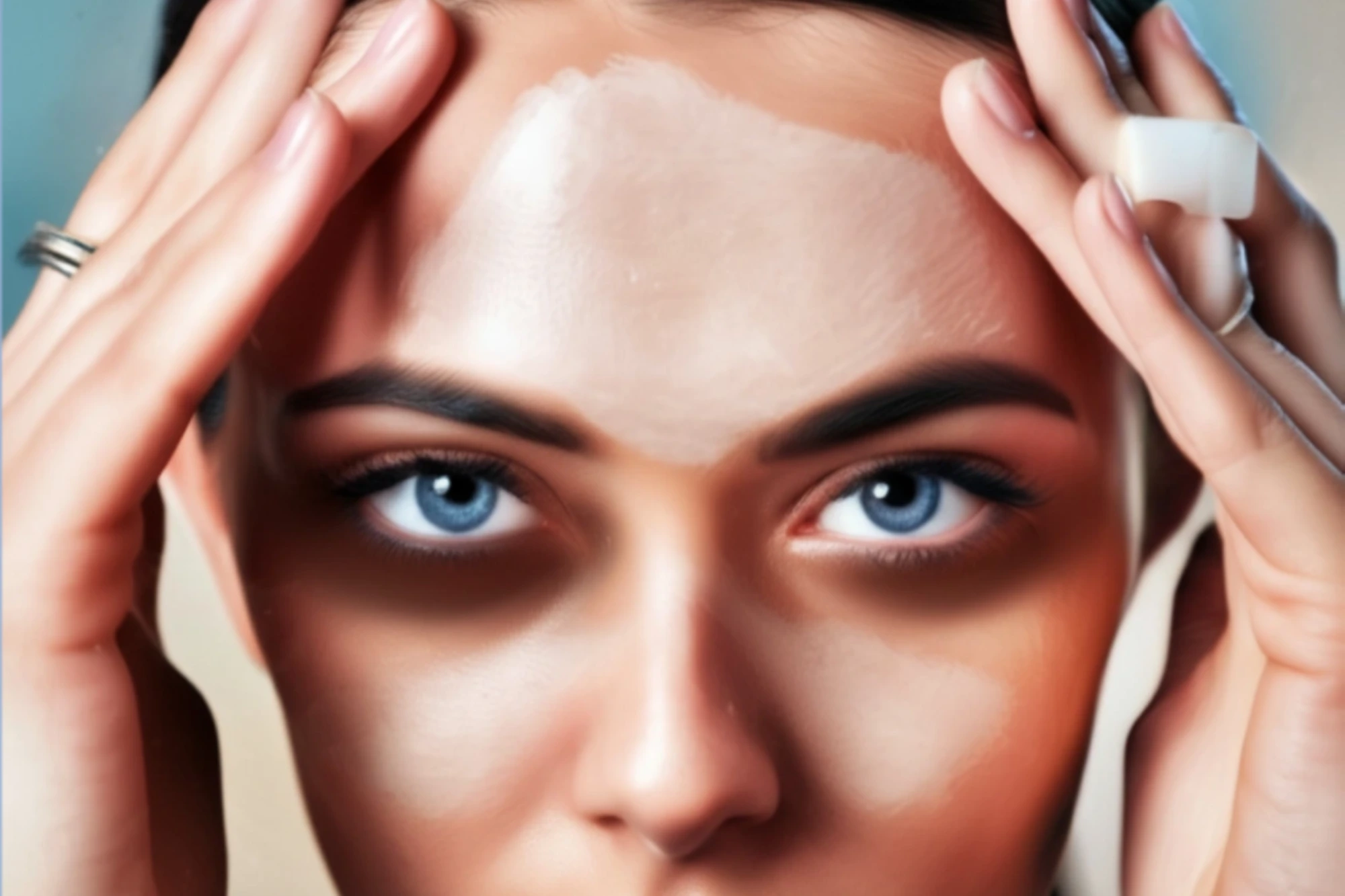
Walk into any dermatology clinic across India and you’ll hear the same concern repeated daily: “Doctor, my skin has become very dark.” A beach holiday in Goa, a week of outdoor work in Rajasthan, daily commuting in Delhi’s summer sun and suddenly your skin tone has shifted noticeably. Meanwhile, your colleague who visited Europe for three weeks barely looks different.
This is not something out of imagination. Indian skin does tan more visibly and holds that tan longer than many other skin types. But here’s what the beauty industry rarely tells you: this tanning response isn’t a flaw. The same biological mechanism that gives Indian skin its rich, diverse tones from the fairest Kashmiri complexion to the deepest South Indian brown also makes it more responsive to sun exposure.
Understanding the science behind why Indian skin tans the way it does transforms how you approach tan reversal, sun protection, and crucially, how you feel about your own skin in the process.
Celebrating What Makes Indian Skin Remarkable
Before diving into tan reversal, let’s acknowledge what our melanin-rich skin actually gives us.
Natural sun protection: Indian skin’s higher melanin content provides a natural SPF of approximately 13-15 compared to SPF 3-4 in very fair Caucasian skin. It means meaningfully lower rates of skin cancer, less photoaging, and better long-term skin quality.
Later wrinkle formation: The same melanin that causes tanning concerns provides antioxidant protection against UV-induced collagen breakdown. Indian skin typically shows wrinkles 5-10 years later than Caucasian skin of similar sun exposure. As we explore in our guide on aging in Indian skin, our skin ages differently and often more gracefully than lighter skin types.
Resilience and richness: The diversity of Indian skin tones represents thousands of years of adaptation across dramatically different climates from Himalayan altitudes to tropical coastlines. This genetic diversity is a feature, not a bug.
The real goal: The aim of tan reversal isn’t achieving lighter skin than your natural tone. It’s restoring your baseline the skin tone you had before sun exposure darkened it. This distinction matters enormously, both medically and culturally.
The Biology of Tanning in Indian Skin
Understanding Melanin: More Than Just Color
Melanin is produced by specialized cells called melanocytes located in the basal layer of your epidermis. Everyone has approximately the same number of melanocytes regardless of skin tone what differs is how active those melanocytes are and how much melanin they produce.
Two types of melanin determine your skin tone:
Eumelanin: Brown-black pigment providing stronger UV protection. More abundant in Indian, African, and other darker-toned skin.
Pheomelanin: Red-yellow pigment with weaker UV protection. More abundant in fair, freckled skin.
Indian skin predominantly produces eumelanin which is precisely why we tan rather than burn, and why our tans appear as brown deepening rather than the pink-red burning response seen in lighter skin.
The Tanning Cascade: What Actually Happens
When UV radiation hits your skin, a precise biological sequence unfolds:
Step 1: Immediate pigment darkening Within minutes of UV exposure, existing melanin in your skin oxidizes and darkens. This immediate response is temporary and fades within hours. You’ve noticed this the instant darkening during sun exposure that partially fades by evening.
Step 2: UV-induced DNA damage signal UV radiation causes DNA damage in skin cells. This triggers p53 protein activation, which signals melanocytes that protection is urgently needed.
Step 3: MSH release and melanocyte activation Keratinocytes (skin cells) release alpha-melanocyte stimulating hormone (α-MSH), which binds to MC1R receptors on melanocytes, dramatically increasing melanin production.
Step 4: Melanin transfer New melanin packages (melanosomes) transfer from melanocytes to surrounding keratinocytes, distributing pigment throughout the skin layers. This process takes 48-72 hours, which is why your “tan” deepens in the days after sun exposure rather than immediately.
Step 5: Surface expression As pigmented keratinocytes migrate upward through skin layers over 28-40 days, the full tan becomes visible on the surface.
According to researches – this entire cascade is significantly more robust in darker skin types melanocytes in Indian skin respond more vigorously to UV signals and produce more melanin per stimulus than melanocytes in lighter skin. This is documented in dermatological literature including studies on photoprotective mechanisms in skin of color.
Why Indian Skin Holds Tan Longer
Melanin distribution differences: In Indian skin, melanin distributes throughout more skin layers compared to lighter skin where it concentrates primarily in basal layers. This means more skin layers need to shed before the tan fully fades explaining why a tan that takes days to develop can take weeks or months to fully disappear.
Larger melanosomes: Research indicates melanosomes (melanin-containing packages) in darker skin types are larger and more numerous, providing more sustained pigmentation following UV exposure.
Slower baseline cell turnover: Indian skin’s cell turnover cycle (28-40 days in young adults, slower with age) means pigmented cells take longer to reach the surface and shed. Compare this to the rapid peeling seen in sunburned fair skin that’s accelerated cell turnover forcibly removing pigmented surface cells.
Post-inflammatory component: Even minor UV-induced inflammation in Indian skin can trigger post-inflammatory hyperpigmentation (PIH) a separate pigmentation mechanism that compounds and prolongs the tan’s appearance.
Regional Variations Across India: Why Where You Live Matters
India’s extraordinary geographic diversity creates dramatically different UV environments, explaining why tanning patterns, severity, and related concerns vary significantly across regions.
South India (Tamil Nadu, Kerala, Karnataka, Andhra Pradesh, Telangana)
UV environment:
- Proximity to equator means near-perpendicular UV rays year-round
- Minimal seasonal UV variation
- UV Index regularly reaching 10-12 (extreme category)
- Coastal humidity intensifying sun exposure effects
- Limited shade in many agricultural and fishing communities
Tanning characteristics:
- More pronounced, faster tanning response
- Deeper baseline skin tones providing some additional protection
- Year-round tan maintenance without significant fading seasons
- Higher rates of periorbital darkening and facial pigmentation
Regional reality: South Indian skin tones beautifully reflect centuries of adaptation to intense UV environments. The rich, deep complexions common across Tamil Nadu, Kerala’s coastal regions, and Telangana’s plains represent highly optimized photoprotective biology not a skincare problem requiring correction.
Treatment considerations: Higher melanin levels require careful professional treatment selection. Aggressive laser treatments or high-concentration chemical peels carry increased hyperpigmentation risk in deeply pigmented South Indian skin. Conservative, graduated approaches deliver best results.
North India (Delhi, Punjab, Haryana, UP, Rajasthan)
UV environment:
- Extreme seasonal variation (intense summer sun vs. hazy winter)
- Delhi’s pollution creates paradoxical effect: partial UV blocking but oxidative stress worsening pigmentation
- Rajasthan’s desert UV among highest in India
- Strong summer tanning season (April-June) with winter partial recovery
Delhi-specific pollution factor: Delhi’s notorious air quality creates a unique tanning and pigmentation challenge. While PM2.5 particles scatter some UV, the oxidative stress from pollution compounds melanin production through inflammatory pathways meaning Delhi residents get skin darkening from both UV and pollution simultaneously.
Our detailed guide on dark circles in Delhi explores how pollution-induced pigmentation specifically affects the delicate periorbital area a concern intrinsically connected to overall tan and pigmentation management.
Tanning pattern: Pronounced seasonal tanning with summer darkening and partial winter recovery. Pollution-induced dullness year-round compounds tan appearance.
Northeast India and Himalayan Regions
UV environment:
- High altitude increases UV intensity (approximately 4% increase per 300m elevation)
- Himachal Pradesh, Uttarakhand, J&K: Intense UV despite cold temperatures
- Northeast states: Variable lower UV in forested areas, higher in open terrain
- Reduced pollution levels in most areas
- Monsoon cloud cover provides seasonal UV relief
Tanning characteristics:
- Mountainous communities often have lighter baseline tones (adaptation to lower-UV ancestral environments) but face intense UV at altitude
- High-altitude UV catches many people off-guard (cold temperature doesn’t mean low UV)
- Northeast skin tones vary considerably across communities
- Generally less urban pollution complicating pigmentation
The altitude misconception: Many people assume cold mountain environments mean less sun damage. The opposite is true at high altitudes. UV intensity in Leh-Ladakh, Shimla, or Darjeeling can exceed Delhi’s summer UV despite being dramatically cooler. Snow reflection amplifies UV by up to 80%.
Regional advantage: Lower pollution levels mean pigmentation responds more purely to UV exposure without the confounding inflammatory component from environmental pollutants making treatment responses generally cleaner and more predictable.
Western India (Maharashtra, Gujarat, Goa)
UV environment:
- Goa: Year-round beach UV, tourist population chronically underestimating exposure
- Mumbai: High UV combined with significant pollution
- Gujarat: Hot, dry interior with intense UV; coastal areas with humidity
- Seasonal variation moderate compared to North India
Tanning characteristics:
- Goa sees significant UV damage accumulation in both residents and visitors
- Mumbai’s combination of UV and pollution creates mixed-mechanism pigmentation
- Gujarat’s dry climate means less humidity-related protection
Eastern India (West Bengal, Odisha, Bihar, Jharkhand)
UV environment:
- Hot, humid summers with significant UV
- Kolkata’s urban pollution adds oxidative stress component
- Coastal Odisha: Beach UV concerns
- Moderate seasonal variation
Tanning characteristics:
- Humidity doesn’t protect from UV despite common misconception
- Kolkata pollution compounds UV-induced pigmentation similar to Delhi
- Agricultural communities with high outdoor exposure show pronounced seasonal tanning
What Tan Actually Looks Like on Indian Skin
Indian skin tan presents differently from what Western skincare literature typically describes, which is predominantly based on Caucasian skin research.
Tan in Indian skin appears as:
- Deepening of natural tone by 1-3 shades
- Uneven distribution (exposed areas vs. covered areas, creating “farmer’s tan” patterns)
- Particular concentration on face, neck, forearms, hands
- Increased visibility of previously subtle uneven pigmentation
- Dulling of natural skin radiance
- Darkening around eyes (compounding existing periorbital pigmentation)
The relationship between tan and periorbital darkening in Indian skin is particularly significant. Our comprehensive analysis of dark circles in Indian skin explains how melanin-driven pigmentation around the eyes frequently worsens with sun exposure meaning tan reversal and under-eye treatment often need to be addressed simultaneously.
Additionally, differentiating between tan-related under-eye darkening and structural or vascular causes requires professional assessment, as discussed in our puffy eyes vs. dark circles guide.
Understanding What You’re Actually Treating
Before any tan reversal, understanding which component you’re addressing determines appropriate treatment.
Surface Tan (Oxidized Melanin)
What it is: Darkening of existing melanin through oxidation, plus melanin-loaded cells in upper skin layers.
How it looks: Even darkening of sun-exposed areas, relatively uniform in color.
Treatment response: Fastest to improve – exfoliation and cell turnover bring significant improvement within weeks.
Deeper Melanin Production (New Pigment)
What it is: New melanin synthesized in response to UV – the “true tan.”
How it looks: Deeper than surface tan, develops over days after sun exposure.
Treatment response: Slower – requires ingredients that inhibit melanin production combined with cell turnover acceleration. Takes weeks to months.
Post-Inflammatory Hyperpigmentation Component
What it is: Melanin triggered by UV-induced inflammation rather than direct UV stimulation – can persist long after UV exposure ends.
How it looks: May be patchy, concentrated in areas of maximum inflammation, sometimes appearing after a delay.
Treatment response: Most persistent component, requires sustained treatment.
Underlying Photodamage
What it is: Cumulative UV damage to skin structure affecting texture, tone regularity, and overall appearance.
How it looks: Uneven texture, rough surface, persistent uneven tone beyond simple tan.
Treatment response: Requires professional-grade treatments beyond simple tan reversal.
What Actually Works: Evidence-Based Tan Reversal
The Foundation: Sun Protection
This cannot be overstated: Every tan reversal effort is futile without rigorous sun protection. You cannot reverse tan while continuing to tan simultaneously.
Effective sun protection for Indian skin:
Broad-spectrum SPF 50+ daily:
- Minimum SPF 50, ideally SPF 50+ PA++++
- PA rating indicates UVA protection (the tanning and aging rays)
- Apply liberally (¼ teaspoon for face = golf ball-sized for body)
- Reapply every 2 hours of outdoor exposure
- Don’t skip on cloudy days or in vehicles (UVA penetrates glass and clouds)
Physical barriers:
- Umbrellas (reduces UV by 50-70%)
- Wide-brimmed hats
- Full-sleeve clothing (UPF-rated fabric ideal)
- Avoiding peak UV hours (10 AM – 4 PM)
- Seeking shade
Sunscreen selection for Indian skin:
- Physical/mineral (zinc oxide, titanium dioxide): Gentler, better for sensitive skin
- Chemical: More cosmetically elegant for daily use
- Tinted sunscreens: Added blue light protection, helps with pigmentation
- Avoid oxybenzone if skin is sensitive
Topical Ingredients That Reverse Tan
Vitamin C (Ascorbic Acid):
- Inhibits tyrosinase enzyme essential for melanin synthesis
- Directly interferes with melanin production pathway
- Antioxidant protection against UV damage
- Brightens existing pigmentation
- Use stable formulations (L-ascorbic acid, magnesium ascorbyl phosphate)
- Morning application ideal
- Cost: ₹800-3,000 for quality formulations
Niacinamide (Vitamin B3):
- Reduces melanosome transfer from melanocytes to keratinocytes
- Prevents pigment from distributing through skin even after production
- Anti-inflammatory (reduces PIH component)
- Well-tolerated by most Indian skin types
- 4-10% concentration effective
- Cost: ₹500-2,000
Alpha Arbutin:
- Tyrosinase inhibitor (gentler than hydroquinone)
- Reduces melanin production
- More stable than beta-arbutin
- Suitable for long-term use
- Cost: ₹600-2,500
Kojic Acid:
- Natural tyrosinase inhibitor
- Derived from fungi
- Effective for tan and pigmentation
- Can irritate sensitive skin
- Cost: ₹400-1,500
Azelaic Acid:
- Selectively targets overactive melanocytes
- Less effect on normally pigmented skin (important safety advantage)
- Anti-inflammatory
- Good for PIH component of tan
- Bonus: Treats acne and rosacea simultaneously
- Cost: ₹400-1,200
Tranexamic Acid:
- Relatively newer ingredient with strong evidence
- Disrupts UV-induced melanin stimulation pathway
- Effective for stubborn pigmentation
- Can be used topically or orally (prescription)
- Cost: ₹800-2,500
Retinoids (Tretinoin/Retinol):
- Accelerates cell turnover, removing pigmented surface cells faster
- Enhances penetration of other lightening ingredients
- Long-term collagen stimulation improves overall skin quality
- Prescription tretinoin most effective (₹100-400)
- Our comprehensive retinoid guide explains how tretinoin addresses pigmentation specifically in Indian skin
- Evening use only, with strict sun protection
Alpha Hydroxy Acids (AHAs):
- Glycolic acid, lactic acid, mandelic acid
- Accelerate surface cell shedding
- Remove tan-loaded surface cells
- Improve penetration of other actives
- Use 2-3 times weekly
- Mandelic acid gentlest and well-suited for Indian skin
Building an Effective Tan Reversal Routine
Morning:
- Gentle cleanser
- Vitamin C serum (tyrosinase inhibition + antioxidant)
- Niacinamide (melanin transfer inhibition)
- Moisturizer
- SPF 50+ broad-spectrum (non-negotiable)
Evening:
- Double cleanse (remove sunscreen, pollutants)
- AHA exfoliant 2-3x weekly (remove pigmented surface cells)
- Tretinoin or retinol (cell turnover + efficacy enhancer)
- Brightening serum (kojic acid, arbutin, tranexamic acid)
- Moisturizer with ceramides
Timeline expectations:
- 2-4 weeks: Surface brightening, improved radiance
- 4-8 weeks: Noticeable tan reduction
- 8-12 weeks: Significant improvement
- 3-6 months: Approaching natural baseline tone
Consistency matters more than individual products. Missing days significantly slows progress.
What Doesn’t Work (And What’s Actually Harmful)
Fairness Creams and “Whitening” Products
The problem: Most contain either ineffective ingredients at meaningless concentrations or dangerous undisclosed components (steroids, mercury compounds, high-concentration hydroquinone without medical supervision).
Steroid-containing fairness creams:
- Temporary “lightening” from anti-inflammatory effect
- Rebound darkening when stopped
- Skin thinning, permanent damage
- Widespread and dangerous in Indian market
Mercury-containing products:
- Some imported/unbranded products still contain mercury
- Nephrotoxic (kidney damaging)
- Illegal in India but still available
- Never use unbranded “whitening” creams
Our skincare scams guide provides comprehensive guidance on identifying dangerous products masquerading as tan removal solutions.
Skin Lightening Soaps
As discussed extensively in our scams guide – tan and pigmentation exist in deeper skin layers. Soap contact with skin is 30-60 seconds. This cannot address melanin production in the basal layer. These products are expensive moisturizers at best, harmful at worst.
Harsh Scrubbing and Bleaching
Physical scrubbing: Removes dead surface cells (modest benefit) but causes micro-inflammation that worsens PIH in Indian skin. Gentle chemical exfoliation outperforms physical scrubbing consistently.
Chemical bleaching (salon treatments): Hydrogen peroxide-based bleach temporarily brightens hair and surface, not actual skin pigmentation. Can irritate and inflame, worsening pigmentation through PIH pathway.
Home Remedies: The Truth
Lemon juice: Mildly acidic (AHA effect) but also photosensitizing – applying lemon juice then going in sun causes severe darkening. The small exfoliating benefit is far outweighed by sensitization risk.
Turmeric: Curcumin has mild anti-inflammatory properties. Traditional use has some basis but concentrations in kitchen turmeric are inconsistent and it stains skin yellow.
Potato/cucumber/tomato: Minimal to no proven effect on melanin production. The “cooling” sensation provides comfort, not pigmentation change.
Papaya: Papain enzyme provides gentle surface exfoliation – very mild, very slow effect.
Reality: Home remedies provide at best modest surface brightening. For meaningful tan reversal, evidence-based ingredients at effective concentrations are necessary.
Professional Treatments for Tan Reversal
When home care isn’t delivering adequate results, professional treatments dramatically accelerate improvement. For comprehensive information about our tan and dull skin treatment protocols, visit our tan and dull skin treatment page.
Chemical Peels
How they work: Controlled chemical exfoliation removes multiple layers of pigmented surface cells simultaneously, dramatically faster than natural cell turnover.
Best peels for Indian skin tan:
Glycolic acid peels (20-40%):
- Excellent for overall brightening
- Removes surface tan effectively
- Multiple sessions for optimal results
- Cost: ₹2,000-5,000 per session
Mandelic acid peels:
- Gentler, ideal for sensitive Indian skin
- Lower PIH risk than glycolic
- Specifically good for tan with pigmentation
- Cost: ₹2,000-4,000 per session
Kojic acid peels:
- Specifically targets melanin production during treatment
- Good for tan with underlying pigmentation
- Cost: ₹2,500-5,000 per session
Lactic acid peels:
- Mild, hydrating
- Good entry-level peel
- Cost: ₹1,500-3,500 per session
Typical protocol: Series of 4-6 peels every 2-4 weeks. Significant improvement visible after 2-3 sessions.
Laser Treatments
Q-switched Nd:YAG:
- Targets melanin deposits directly
- Excellent for stubborn tan and pigmentation
- Safe for Indian skin when performed expertly
- Cost: ₹5,000-15,000 per session
Fractional lasers (non-ablative):
- Stimulates skin renewal while targeting pigmentation
- Improves texture and tone simultaneously
- Cost: ₹8,000-25,000 per session
Important: Laser treatments for Indian skin require significant provider expertise. Post-inflammatory hyperpigmentation risk is real without proper technique and appropriate laser selection. Our chemical peels vs. laser treatments guide explores how to choose between these options for pigmentation concerns.
HydraFacial with Brightening Serums
- Combines deep cleansing with brightening serum infusion
- Immediate glow with progressive improvement
- Monthly maintenance treatment
- Cost: ₹4,000-8,000 per session
- Our HydraFacial review explains the comprehensive treatment process
Microneedling with Vitamin C/Brightening Serums
- Creates channels for brightening ingredient delivery
- Stimulates cell renewal
- Addresses texture and tone simultaneously
- Cost: ₹4,000-10,000 per session
Body Tan Treatments
Often overlooked: Tan on body (arms, neck, back, legs) requires specific attention:
- Body chemical peels
- Laser treatments for large areas
- Specialized body brightening treatments
- De-tan facials for back and neck
Cost varies significantly with area size.
Prevention: The Smarter Long-Term Strategy
Prevention is dramatically more effective and less expensive than reversal.
Daily Habits That Prevent Tan Accumulation
Morning ritual:
- Sunscreen before leaving home (15 minutes before exposure)
- Reapplication every 2 hours in outdoor settings
- Protective clothing when possible
Timing:
- Schedule outdoor activities before 10 AM or after 4 PM
- Peak UV hours account for 60-70% of daily UV dose
Year-round vigilance:
- UV present even in winter (particularly relevant for Delhi)
- Cloud cover reduces UV by only 20-40% – not protection
- Indoor UV through windows (UVA specifically)
Vehicle protection:
- Car windows block UVB but not UVA
- UV-protective window film valuable for frequent drivers
- Left arm (driver’s side) shows significantly more sun damage in studies
Diet Supporting Skin’s UV Resilience
Internal sun protection (complements, not replaces, topical SPF):
Lycopene (tomatoes, watermelon, guava): Provides measurable internal photoprotection
Astaxanthin (found in certain seafood): Strong antioxidant with UV-protective properties
Polyphenols (green tea, berries, dark chocolate): Reduce UV-induced damage
Vitamin C (citrus, guava, bell peppers): Supports topical vitamin C’s skin brightening effects
Omega-3 fatty acids (walnuts, flax seeds, fish): Anti-inflammatory, reduces UV-induced inflammation
Adequate water: Supports skin cell renewal and overall skin health
Special Situations
Post-Vacation Tan
Most common scenario: Return from beach holiday, coastal trip, or outdoor festival with significant darkening.
Realistic timeline without professional help: 6-12 weeks of consistent home care for significant but incomplete reversal.
With professional treatment: 4-6 sessions over 6-8 weeks for near-complete reversal.
Immediate post-vacation care:
- Begin rigorous sun protection immediately
- Start brightening routine within days of returning
- Consider professional peel within 2 weeks (skin is primed for treatment)
- Stay hydrated (sun exposure is dehydrating)
Occupational Tan
For those with unavoidable outdoor sun exposure (construction workers, farmers, outdoor sports professionals, traffic police):
Practical approaches:
- Maximum physical protection (hats, full sleeves, scarves)
- Sweat-resistant sunscreen reapplied frequently
- Evening brightening routine consistently
- Professional treatments when budget allows
- Accept that some ongoing tan is inevitable with outdoor occupation
Farmer’s Tan (Differential Tanning)
Specific issue: Sharp contrast between covered and exposed skin areas—visible at necklines, sleeves, sock lines.
Approach:
- Treat exposed areas with brightening routine
- Professional treatments for faster evening
- Sun protection to prevent further differential
- May take longer than uniform tan to address due to contrast
The Psychological Dimension: Reclaiming Your Relationship with Your Skin
This discussion would be incomplete without addressing the cultural weight tan removal carries in India.
The colorism reality: Indian society has complex, often painful associations between skin tone and worth, beauty, and marriage prospects. Fairness creams are a ₹3,000-crore industry built on insecurity.
The medical distinction: There is a legitimate medical and cosmetic reason to want to reverse sun-induced tan – restoring your natural skin tone after UV damage is not colorism, it’s skin health management. The problem arises when “reversal” becomes “transformation”, attempting to achieve skin lighter than your natural genetic baseline.
A healthy framework:
- Your natural skin tone (pre-tan baseline) is your target
- Diversity of Indian skin tones from the fairest Kashmiri to the deepest Tamilian is beautiful and legitimate
- Tan reversal = restoring your personal baseline, not changing who you are genetically
- No treatment should promise or attempt to change your fundamental skin color
What your dermatologist should tell you: Professional tan reversal treatments aim to restore your pre-sun-damage baseline. Any provider promising to make you “fair” beyond your natural tone is selling you something scientifically impossible and culturally harmful.
When to See a Dermatologist
Professional consultation recommended when:
- Tan persisting beyond 3 months despite consistent home care
- Uneven, patchy darkening (may indicate condition beyond simple tan)
- New, unusual dark patches appearing (rule out melasma, PIH, other conditions)
- Tan accompanied by skin texture changes
- Home care causing irritation or worsening
- For professional treatments to accelerate reversal
For detailed information about our specialized tan removal and skin brightening treatments, visit our tan and dull skin treatment page or book a consultation for personalized assessment.
What the consultation includes:
- Accurate diagnosis distinguishing tan from other pigmentation
- Personalized home care protocol
- Professional treatment plan if appropriate
- Realistic timeline setting
- Regional climate-specific recommendations
Conclusion: Science, Not Shame
Indian skin tans easily because it’s biologically exceptional, equipped with robust photoprotective machinery refined over thousands of years across diverse UV environments. From the intense equatorial sun of South India to the reflective high-altitude UV of Himachal Pradesh, our melanin system has adapted magnificently.
Understanding this transforms tan reversal from a shame-based pursuit into a scientific, health-focused practice: restoring sun-altered skin to its natural state using evidence-based ingredients and treatments, while maintaining deep respect for the beautiful diversity of Indian skin tones.
The practical takeaway:
- Rigorous daily sun protection prevents tan accumulation
- Evidence-based ingredients (vitamin C, niacinamide, tranexamic acid, tretinoin) effectively reverse existing tan
- Professional treatments dramatically accelerate results
- Realistic timelines require patience and consistency
- The goal is your natural baseline and nothing more
Your natural skin tone, whatever shade it sits on India’s extraordinary spectrum, is worth protecting, celebrating, and restoring when sun-altered.
Dr. Shruti Patil is a board-certified dermatologist at Dr. Mahajan Skin To Bone Clinic, Pashim Vihar, New Delhi. With extensive experience treating sun-induced pigmentation across diverse Indian skin types from across the country, she provides evidence-based tan reversal protocols that respect both skin science and the natural diversity of Indian complexions.
Ready to restore your natural skin tone with professional guidance? Book a consultation for personalized tan reversal treatment designed specifically for your skin type, lifestyle, and regional environment. Learn more about our tan and dull skin treatments.
Leave a Reply