
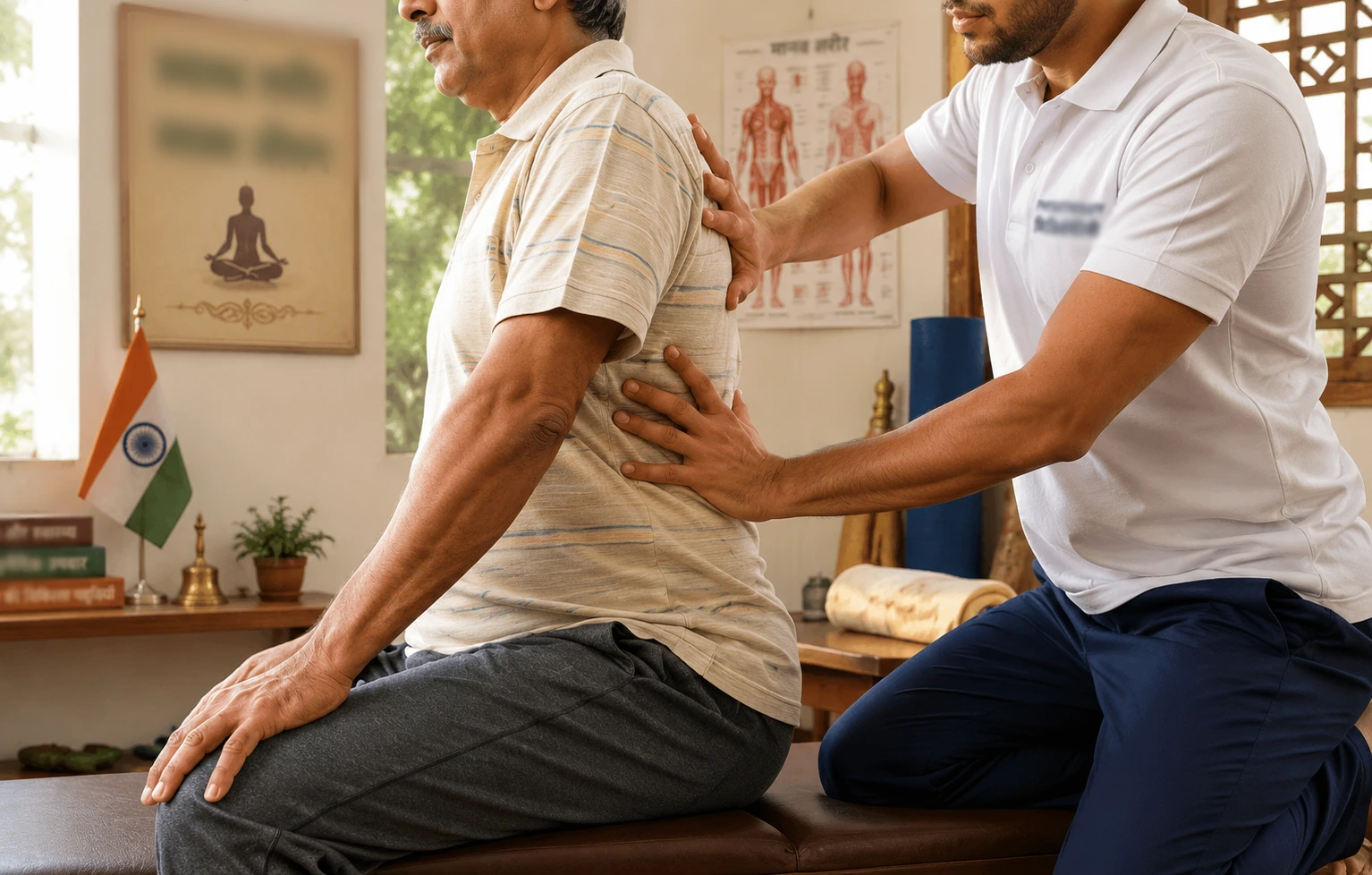
Arthritis pain often creates a cruel paradox: the joints that hurt most are precisely the ones that need movement to improve. Many people with arthritis instinctively avoid exercise, fearing it will worsen their pain. The science tells an entirely different story.
Research consistently demonstrates that targeted, appropriate exercise is one of the most effective interventions available for arthritis often outperforming medications for long-term pain relief and functional improvement. The challenge isn’t whether to exercise, but understanding which exercises work, why they work, and how to implement them safely and consistently.
The Exercise-Arthritis Science
Why Movement Heals
Joint Lubrication: Joints don’t have direct blood supply – they rely on movement to distribute synovial fluid (joint lubricant) across cartilage surfaces. Without movement:
- Cartilage becomes less nourished
- Joint fluid becomes stagnant
- Stiffness increases
- Pain worsens
Movement pumps fresh fluid into cartilage, delivering nutrients and removing waste products.
Inflammation Reduction: Regular exercise produces measurable anti-inflammatory effects:
- Reduces inflammatory cytokines circulating in blood
- Decreases C-reactive protein (marker of inflammation)
- Improves immune system regulation
- May reduce medication requirements over time
Muscle Support: Muscles surrounding arthritic joints act as shock absorbers. Stronger muscles:
- Reduce forces transmitted through damaged cartilage
- Improve joint stability
- Decrease pain with activity
- Slow progression of joint damage
Bone Health: As detailed in our guide on maintaining strong bones after 40, weight-bearing exercise maintains bone density crucial for joint health and surgical outcomes.
Pain Modulation: Exercise triggers release of:
- Endorphins (natural pain killers)
- Serotonin (mood improvement)
- Brain-derived neurotrophic factor (reducing pain sensitivity)
- Natural anti-inflammatory compounds
What Research Shows
Clinical Evidence:
- Structured exercise reduces arthritis pain by 40-60% in appropriate programs
- Physical activity as effective as NSAIDs for many osteoarthritis patients
- Benefits last 6-12 months after completing supervised programs
- Combination of strengthening and aerobic exercise superior to either alone
Progression vs. Delay: Contrary to many patients’ fears, appropriate exercise does not accelerate arthritis progression. Multiple long-term studies show active individuals with arthritis experience:
- Slower cartilage loss
- Better functional outcomes
- Lower surgical rates
- Improved quality of life
Understanding Pain During Exercise
Acceptable Pain:
- Mild discomfort during or after exercise (2-3/10)
- Stiffness that improves with movement
- Muscle soreness 24-48 hours after strengthening
- Temporary increased awareness of the joint
Stop Exercise If:
- Sharp, sudden pain (>4-5/10)
- Pain lasting more than 2 hours after exercise
- Significant increased swelling
- Joint feels hot or inflamed after activity
- New or different pain pattern
The 2-Hour Rule: If pain exceeds baseline more than 2 hours after exercise, the activity was too intense. Reduce duration or intensity next session.
Exercise Types: Understanding the Four Pillars
Effective arthritis exercise programs incorporate four complementary components:
Pillar 1: Range of Motion Exercises
Purpose:
- Maintain joint flexibility
- Reduce stiffness
- Preserve functional movement
- Counteract effects of inflammation and scarring
Frequency: Daily, ideally morning and evening
General Principles:
- Move joint through comfortable range
- Gentle, controlled movements
- Never force painful range
- Hold end range briefly (3-5 seconds)
- Gradual progression over weeks
Pillar 2: Strengthening Exercises
Purpose:
- Build muscle support around joint
- Reduce forces on damaged cartilage
- Improve stability and function
- Slow joint deterioration
Frequency: 2-3 times weekly with rest days between
General Principles:
- Start with bodyweight or minimal resistance
- Controlled movement (slow is better than fast)
- Full range when comfortable
- Progressive resistance as strength improves
- Rest if acute flare present
Pillar 3: Aerobic/Cardiovascular Exercise
Purpose:
- Improve cardiovascular health
- Aid weight management
- Reduce systemic inflammation
- Enhance endurance for daily activities
- Improve mental health and pain perception
Frequency: 150 minutes moderate intensity weekly (30 minutes, 5 days)
General Principles:
- Low-impact options protect joints
- Start short (10 minutes) and build gradually
- Conversational pace (can talk but slightly breathless)
- Consistency more important than intensity
Pillar 4: Balance and Proprioception
Purpose:
- Reduce fall risk
- Improve joint position sense
- Enhance neuromuscular control
- Protect joints from sudden stress
Frequency: Daily, integrated into routine
General Principles:
- Start with support nearby
- Progress difficulty gradually
- Eyes open before eyes closed
- Stable surface before unstable
Knee Arthritis: Specific Exercises That Work
Knee osteoarthritis responds particularly well to targeted exercise programs.
Range of Motion Exercises for Knees
1. Heel Slides
Starting Position: Lying on back, legs straight
Movement:
- Slowly slide heel toward buttocks, bending knee
- Go as far as comfortable without pain
- Hold 3-5 seconds
- Slowly return to start
Repetitions: 10-15 reps, 2-3 sets Purpose: Maintains knee flexion range
2. Prone Knee Bends
Starting Position: Lying face down, legs straight
Movement:
- Slowly bend knee bringing heel toward buttocks
- Hold 3-5 seconds at comfortable end range
- Slowly lower
Repetitions: 10-15 reps, 2-3 sets Purpose: Gentle stretching of knee flexion
3. Knee Extension Stretch
Starting Position: Sitting in chair, feet flat on floor
Movement:
- Slowly straighten knee as much as comfortable
- Hold 5-10 seconds
- Slowly lower
Repetitions: 10-15 reps, 2-3 sets Purpose: Maintains full knee extension (crucial for walking)
Strengthening Exercises for Knees
4. Quad Sets (Isometric Quadriceps)
Starting Position: Lying on back, leg straight with small rolled towel under knee
Movement:
- Tighten thigh muscle pressing knee down
- Hold 5-10 seconds
- Relax completely
Repetitions: 15-20 reps, 3 sets Purpose: Activates quadriceps without joint stress
Why It Works: Quadriceps weakness is one of the strongest predictors of knee pain and functional decline. This exercise begins strengthening without stressing the joint.
5. Straight Leg Raises
Starting Position: Lying on back, one knee bent with foot flat, other leg straight
Movement:
- Tighten thigh of straight leg
- Raise leg to height of bent knee (approximately 45 degrees)
- Hold 2-3 seconds
- Slowly lower
Repetitions: 15 reps, 3 sets each leg Purpose: Strengthens quadriceps without knee joint compression
6. Short Arc Quads
Starting Position: Lying on back, rolled towel or pillow under knee (knee bent approximately 30 degrees)
Movement:
- Slowly straighten knee completely
- Hold 2-3 seconds
- Slowly lower
Repetitions: 15 reps, 3 sets Purpose: Targeted quadriceps strengthening in pain-free range
7. Wall Slides (Mini Squats)
Starting Position: Standing with back against wall, feet shoulder-width apart, 12 inches from wall
Movement:
- Slowly slide down wall to comfortable position (never past 90 degrees)
- Hold 5-10 seconds
- Slowly slide back up
Repetitions: 10-15 reps, 2-3 sets Purpose: Functional strengthening of entire leg
Progression:
- Start with very small range (20-30 degrees)
- Gradually increase depth as strength improves
- Add hold time before adding repetitions
8. Step-Ups
Starting Position: Standing in front of step (start with 4-inch step)
Movement:
- Step up with affected leg
- Bring other foot up to meet it
- Step down leading with unaffected leg
- Control the descent (this is where strengthening occurs)
Repetitions: 10-15 reps, 2-3 sets Purpose: Functional strengthening and balance
Important: Controlled descent is essential—the eccentric (lowering) phase builds most strength.
9. Hip Abductor Strengthening (Side-Lying)
Starting Position: Lying on side, bottom knee slightly bent for stability
Movement:
- Lift top leg to 30-45 degrees
- Hold 2-3 seconds
- Slowly lower
Repetitions: 15 reps, 3 sets each side Purpose: Strengthens hip abductors reducing knee stress
Why Hip Strength Matters for Knees: Weak hip abductors increase inward knee collapse (valgus stress), dramatically increasing knee pain and cartilage damage.
10. Terminal Knee Extension (TKE) with Band
Starting Position: Standing, resistance band looped around back of knee, attached in front
Movement:
- Slight bend in knee
- Straighten knee fully against band resistance
- Hold 2-3 seconds
- Slowly return
Repetitions: 15-20 reps, 3 sets Purpose: Targeted terminal knee extension strength, crucial for walking
Balance Exercises for Knees
11. Single Leg Stand
Starting Position: Standing near counter or wall for safety
Movement:
- Lift one foot slightly off ground
- Maintain balance for 10-30 seconds
- Progress to: eyes closed, standing on foam pad
Repetitions: 3-5 holds each leg Purpose: Improves proprioception and joint position sense
12. Tandem Standing
Starting Position: Standing with one foot directly in front of the other (heel to toe)
Movement:
- Maintain this position for 10-30 seconds
- Progress to walking heel-to-toe
- Eyes open before closed
Repetitions: 3-5 holds each direction Purpose: Challenges balance in a different plane
Hip Arthritis: Exercises That Work
Hip arthritis requires exercises targeting the specific muscles supporting this joint.
Range of Motion Exercises for Hips
13. Hip Flexor Stretch
Starting Position: Kneeling on one knee (use cushion), other foot forward
Movement:
- Shift weight forward gently
- Feel stretch in front of hip of kneeling leg
- Hold 20-30 seconds
- Keep upright posture
Repetitions: 3 holds each side Purpose: Releases tight hip flexors that compress the joint
14. Supine Hip Rotation
Starting Position: Lying on back, knees bent, feet flat
Movement:
- Let both knees fall gently to one side
- Hold 5-10 seconds
- Return to center and repeat other side
Repetitions: 10 reps each side Purpose: Gentle hip rotation range maintenance
15. Figure-Four Stretch
Starting Position: Lying on back, both knees bent
Movement:
- Cross ankle of affected side over opposite knee
- Gently push crossed knee away from body
- For more stretch: grasp thigh of supporting leg and pull toward chest
- Hold 20-30 seconds
Repetitions: 3 holds each side Purpose: Stretches piriformis and deep hip rotators
Strengthening Exercises for Hips
16. Clamshells
Starting Position: Lying on side, hips and knees bent to 45 degrees, feet together
Movement:
- Keeping feet together, rotate top knee upward
- Open like a clamshell
- Hold 2-3 seconds at top
- Slowly close
Repetitions: 15-20 reps, 3 sets each side Purpose: Strengthens hip abductors (gluteus medius)
Progression: Add resistance band above knees when 20 reps become easy.
17. Glute Bridges
Starting Position: Lying on back, knees bent, feet flat on floor hip-width apart
Movement:
- Tighten glutes and core
- Lift hips off floor until body forms straight line shoulder to knee
- Hold 3-5 seconds
- Slowly lower
Repetitions: 15 reps, 3 sets Purpose: Strengthens glutes and hamstrings, reduces hip joint stress
Progression:
- Single leg bridge (advance)
- Add hold time
- Progress to unstable surface
18. Hip Extensions (Standing)
Starting Position: Standing holding counter or back of chair
Movement:
- Keeping knee straight, move leg backward
- Don’t arch lower back—movement comes from hip
- Hold 2-3 seconds
- Slowly return
Repetitions: 15 reps, 3 sets each leg Purpose: Strengthens gluteus maximus
19. Side-Lying Hip Abduction
Starting Position: Lying on side, body in straight line
Movement:
- Lift top leg 30-45 degrees keeping toes forward
- Hold 2-3 seconds
- Slowly lower
Repetitions: 15 reps, 3 sets each side Purpose: Directly strengthens hip abductors critical for walking
20. Sit-to-Stand Practice
Starting Position: Seated in firm chair at appropriate height
Movement:
- Lean forward (“nose over toes”)
- Push through heels to stand
- Control the sit-down movement (eccentric phase crucial)
- Gradually use arms less as strength improves
Repetitions: 10-15 reps, 2-3 sets Purpose: Functional strengthening for most important daily activity
Hand and Wrist Arthritis Exercises
Often overlooked, hand exercises maintain function for daily tasks.
21. Finger Bends
Movement:
- Gently curl fingers into loose fist
- Hold 3-5 seconds
- Slowly straighten completely
Repetitions: 10-15 reps Purpose: Maintains finger flexion
22. Finger Spreads
Movement:
- Place hand flat on table
- Spread fingers as wide as comfortable
- Hold 3-5 seconds
- Bring back together
Repetitions: 10-15 reps Purpose: Maintains abduction range
23. Thumb Opposition
Movement:
- Touch thumb to each fingertip in sequence
- Create “O” shape
- Progress speed as tolerated
Repetitions: 5 complete sequences Purpose: Maintains functional pinch grip
24. Wrist Circles
Movement:
- Supported forearm on table, wrist free
- Slowly circle wrist in both directions
- Comfortable range only
Repetitions: 10 circles each direction Purpose: Maintains wrist range of motion
Aquatic Exercise: Water’s Unique Benefits
Water-based exercise deserves special mention for arthritic joints.
Why Aquatic Exercise Works So Well:
Buoyancy:
- Reduces body weight by 80-90%
- Allows movement painful on land
- Enables exercise for very deconditioned patients
- Comfortable even with significant joint pain
Resistance:
- Water provides resistance in all directions
- Strengthens muscles without joint impact
- Can adjust resistance by moving faster or slower
- No need for weights or equipment
Warmth:
- Warm water (92-96°F) reduces pain and stiffness
- Increases blood flow to muscles
- Prepares joints for exercise
- Provides psychological comfort
Hydrostatic Pressure:
- Gentle compression reduces swelling
- Supports joints providing stability
- May reduce inflammation
Effective Aquatic Exercises:
Water Walking:
- Walk forward and backward in chest-deep water
- High knee marching adds strengthening
- Sideways walking challenges hip abductors
- 10-20 minutes building to longer sessions
Pool Edge Kicks:
- Hold pool edge for support
- Swing leg forward and back (hip flexion/extension)
- Swing leg side to side (hip abduction/adduction)
- Controlled movements in pain-free range
Water Squats:
- Stand in chest-deep water
- Perform squats without joint-loading concerns
- Buoyancy reduces 80-90% of body weight
- Allows greater range than land squats
Flutter Kicks (Supported):
- Hold pool edge or kickboard
- Perform gentle flutter kicks
- Strengthens hip flexors and quadriceps
Tai Chi and Yoga for Arthritis
Both disciplines offer unique benefits supported by clinical research.
Tai Chi
Research Evidence:
- Multiple randomized controlled trials support effectiveness for knee and hip OA
- Reduces pain comparable to physical therapy in some studies
- Significantly improves balance and reduces fall risk
- Improves psychological well-being
- Safe and well-tolerated even in elderly
How It Works:
- Slow, controlled movements through range of motion
- Weight shifting improves proprioception
- Meditative aspect reduces pain perception
- Social aspect improves mental health
- Low-impact but surprisingly strengthening
Getting Started:
- Look for classes specifically designed for arthritis
- Arthritis Foundation Tai Chi program widely available
- Online classes accessible for home practice
- Start with seated modifications if needed
Yoga for Arthritis
Benefits:
- Improves flexibility and range of motion
- Strengthens muscles through bodyweight
- Reduces stress and pain perception
- Improves balance and body awareness
- Modifiable for individual limitations
Important Modifications for Arthritic Joints:
- Use props (blocks, straps, blankets) freely
- Avoid poses causing sharp pain
- Skip deep knee bends with knee arthritis
- Modify weight-bearing poses for hip arthritis
- Inform instructor about your limitations
Best Styles for Arthritis:
- Gentle or restorative yoga
- Chair yoga (excellent for severe limitations)
- Iyengar yoga (emphasis on alignment and props)
- Avoid hot yoga initially (dehydration risk)
As discussed in our guide on non-surgical alternatives to knee replacement, both tai chi and yoga appear in evidence-based conservative treatment options.
Cardiovascular Exercise Options
Best Choices for Arthritic Joints:
Walking:
- Most accessible and well-researched
- Significant cardiovascular and joint benefits
- Start 10-15 minutes, build to 30+ minutes
- Flat, even surfaces initially
- Supportive footwear essential
Cycling (Stationary or Road):
- Excellent cardiovascular exercise
- Minimal joint impact
- Strengthens quadriceps and hamstrings
- Adjust seat height for comfort
- Stationary bike safer for beginners
Swimming:
- Near-complete joint unloading
- Full-body exercise
- Excellent for severely arthritic patients
- Any stroke comfortable for most
- Warm water pool preferred
Elliptical Trainer:
- Simulates walking motion without impact
- Upper body engagement available
- Low learning curve
- Widely available in gyms
Recumbent Bike:
- More comfortable than upright for hip arthritis
- Supported seated position
- Good cardiovascular workout
- Less lower back stress
Exercise for Different Arthritis Types
Osteoarthritis Exercise Approach
Primary Focus:
- Strengthening muscles around affected joints
- Low-impact aerobic conditioning
- Range of motion maintenance
- Balance for fall prevention
Timing:
- Exercise when pain is lowest (often midday)
- Avoid immediately after prolonged rest
- Warm up joints with gentle movement first
- Hot shower or warm compress before exercise
Progressions:
- Gradually increase resistance and duration
- Add challenge as strength improves
- Maintain long-term—benefits lost if stopped
Rheumatoid Arthritis Exercise Approach
As discussed in our comprehensive guide on osteoarthritis vs. rheumatoid arthritis treatment differences, exercise approach differs significantly between these conditions.
Key Differences:
- Rest during active flares (unlike OA where movement often helps)
- Resume exercise during remission or low disease activity
- Joint protection techniques essential
- Gentler approach to avoid triggering flares
- Work closely with rheumatologist about exercise timing
During Remission:
- Progressive strengthening tolerated
- Aerobic exercise beneficial
- Range of motion work daily
- Watch for signs of impending flare
During Flares:
- Gentle range of motion only
- Avoid strengthening inflamed joints
- Aquatic therapy if tolerated
- Resume progressive exercise when inflammation subsides
Joint Protection Principles:
- Avoid positions that strain joints
- Use larger joints for tasks when possible
- Distribute load across multiple joints
- Balance activity with adequate rest
Building Your Exercise Program
Starting From Zero
Week 1-2: Foundation
- Range of motion only (5-10 minutes daily)
- No strengthening yet
- Gentle walking (5-10 minutes)
- Learn exercise technique
Week 3-4: Adding Strength
- Begin strengthening exercises
- Bodyweight only initially
- 2 days per week
- Continue gentle aerobic exercise
Week 5-8: Progressive Building
- Add repetitions or sets
- Introduce resistance if ready
- Increase aerobic duration
- Add balance exercises
Week 9-12: Consolidation
- Approach full program
- 150 minutes aerobic weekly
- Strengthening 2-3 times weekly
- Daily range of motion
When Progress Stalls
Common Causes:
- Too much, too soon
- Inconsistent program
- Not progressing resistance
- Inadequate recovery
- Worsening arthritis
Solutions:
- Review and modify program
- Consult physical therapist
- Address pain management
- Consider injection therapy if needed
Maintaining Long-Term
Making Exercise Sustainable:
- Choose activities you genuinely enjoy
- Exercise with others for accountability
- Vary routine to prevent boredom
- Set realistic, meaningful goals
- Celebrate progress beyond pain scores
Goal Setting: Rather than “less pain,” try:
- “Walk to the temple and back without stopping”
- “Play with grandchildren for 30 minutes”
- “Complete grocery shopping without resting”
- “Climb stairs carrying laundry”
Meaningful functional goals sustain motivation better than abstract pain scores.
Working with a Physical Therapist
When Professional Guidance Is Essential
Strongly Consider PT If:
- You’ve never exercised with arthritis
- Previous exercise attempts worsened symptoms
- Significant functional limitations
- Post-injection rehabilitation
- Preparing for or recovering from surgery
What Physical Therapists Add:
Assessment:
- Identify specific muscle weaknesses
- Assess movement patterns and compensations
- Determine safe exercise parameters
- Create individualized program
Technique:
- Ensure correct exercise performance
- Prevent compensations leading to other problems
- Modify exercises for individual limitations
- Progress program appropriately
Manual Therapy:
- Hands-on techniques improving joint mechanics
- Soft tissue mobilization
- Joint mobilization
- Pain relief enabling exercise
Education:
- Understanding your condition
- Activity modification strategies
- Joint protection techniques
- Home exercise program instruction
Finding the Right Physical Therapist
Look For:
- Specialization in orthopedic conditions
- Experience treating arthritis patients
- Comfort with your specific joint problem
- Collaborative approach to goal-setting
Exercise and Surgical Outcomes
Regular exercise before and after joint procedures significantly improves outcomes.
Pre-Surgical Exercise (Prehabilitation):
For patients considering procedures like robotic or traditional knee replacement, pre-operative strengthening:
- Reduces post-operative pain
- Speeds recovery
- Improves functional outcomes
- Reduces hospital length of stay
- Enhances rehabilitation potential
Post-Surgical Rehabilitation:
Structured physical therapy after joint replacement:
- Essential for optimal outcomes
- Restores strength and range of motion
- Prevents complications (stiffness, weakness)
- Returns patients to desired activities
As detailed in our guide on hip replacement recovery, physical therapy forms the backbone of successful recovery.
The Bottom Line: Move to Improve
Arthritis exercise isn’t optional—it’s one of the most effective treatments available. The evidence is clear, the mechanism is understood, and the outcomes are documented.
Key Principles to Remember:
Consistency Over Intensity:
- Daily gentle movement beats occasional intense sessions
- Sustainable programs produce lasting benefits
- Missed sessions cost more than reduced sessions
Progressive Overload:
- Gradually increasing challenge builds strength
- Staying at same level indefinitely limits progress
- The body adapts—keep presenting new challenges
Specificity:
- Target muscles supporting affected joints
- Address the specific movement limitations present
- Combine all four pillars for complete program
Pain Management:
- Some discomfort normal—sharp pain is not
- The 2-hour rule guides appropriate intensity
- Modify rather than stop when pain occurs
Long-Term Commitment:
- Benefits accumulate over months and years
- Stopping exercise reverses gains within weeks
- Make it a permanent lifestyle component
Professional Support:
- Physical therapists optimize programs and technique
- Don’t struggle alone when help is available
- Adjust programs when self-directed efforts fail
Whether you have early osteoarthritis managed conservatively or are recovering from joint replacement, appropriate exercise represents your most powerful tool for maintaining function, reducing pain, and preserving independence.
The exercises that “actually work” aren’t secret—they’re the ones you do consistently, progressively, and intelligently. Start where you are, progress gradually, and commit to movement as medicine.
Your joints aren’t meant to rest—they’re meant to move. Give them the movement they need, and they’ll reward you with improved function, reduced pain, and a better quality of life for years to come.
Leave a Reply