
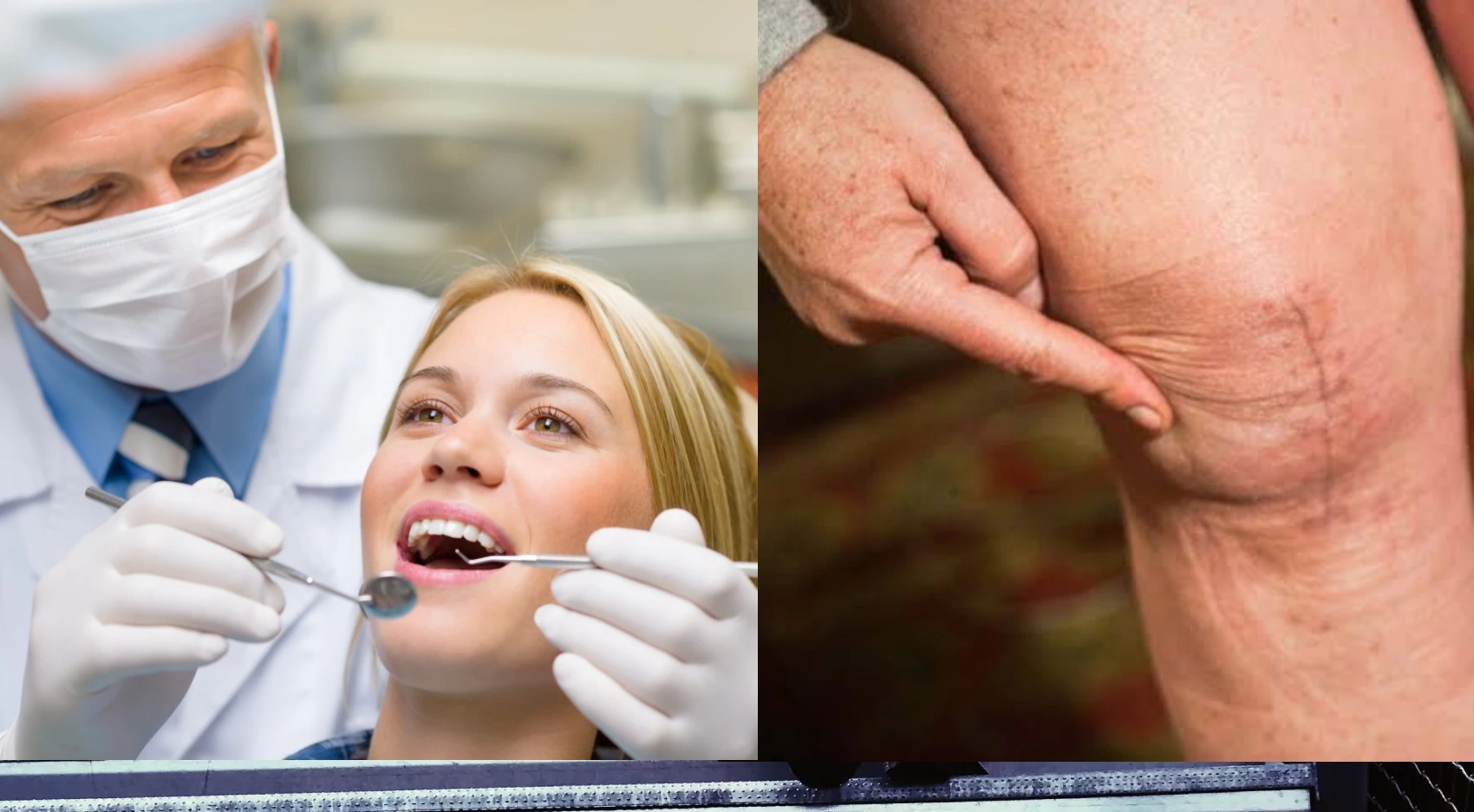
“Do I need to take an antibiotic before I go to the dentist?” is a common question for patients with a new joint replacement. It usually comes at an awkward time – you are in the dentist’s chair, the hygienist asks if you’ve had any recent operations and after you mention your knee replacement or hip implant there is a pause. “Should you have taken an antibiotic before you came today?”
It is an understandable concern. Nobody wants to put their new joint at risk because of a routine dental clean. But the guidelines have changed in the last 10 years and many dental clinics (and patients) are still working to the old rules.
So let’s separate the myths from the truths. Then we will talk about the most important question – when to have dental work in relation to your joint replacement.
Why are dentists and orthopaedic surgeons worried?
You have lots of bacteria living in your mouth (this is normal!). When you brush your teeth or chew your food (or definitely when you have a dental extraction or deep cleaning) a few of those bacteria get into your blood stream (for a short time). In a healthy person this is not a problem, as the body’s immune system clears them.
The problem is that some of those bacteria may stick to your new metal and plastic implant (which doesn’t have a blood supply and therefore no immune defences). This can lead to an infection around the implant (a ‘prosthetic joint infection’). These infections are not common, but they are very serious when they happen. You may need prolonged courses of antibiotics, surgery to clean out the joint and even a revision operation. We cover how that fits into the wider picture in our knee replacement complications and how to avoid them.
So the theory was that dental work causes bacteria to get into the blood, which in turn may put your implant at risk. So the solution was to give an antibiotic before any dental work. This seemed like airtight logic. The only problem was that it was never backed up by good evidence.
Myth vs. truth about Joint Replacement and Dental
Myth: Everyone with a joint replacement should take an antibiotic before every dental visit.
Truth: The major dental and orthopaedic associations around the world no longer recommend routine antibiotics before dental procedures for the majority of people with joint replacements. Infections in a joint replacement that can be proven to be caused by a dental procedure are hard to demonstrate. And we are exposed to bacteria from the mouth getting into the blood stream every day when we eat and brush our teeth, not just when we go to the dentist.
Myth: But there is no harm in taking the antibiotic so it is better to be safe.
Truth: There is always a small risk of side effects from antibiotics (allergic reaction, stomach upsets, yeast infections and in some people serious problems like C. diffiicile infection). Also, unnecessary use of antibiotics is a major cause of antibiotic resistance (which makes real infections harder to treat). So “just in case” is not a good reason!
Myth: I could get an infection in my new joint from a routine dental clean.
Truth: A routine dental checkup and clean is safe and very important. Having healthy gums means less chance of bacteria getting into your blood in the first place. So don’t avoid the dentist!
Myth: If my orthopaedic surgeon/dentist prescribes an antibiotic before dental work, they must be right (or wrong).
Truth: There is a difference between the official guidelines and what is actually done in practice. A recent study of Australian orthopaedic surgeons (McNally et al, via PMC) showed that antibiotic cover before dental work is still routinely recommended, despite being at odds with current guidelines. And this is not just an Australian problem! Most of these surgeons are just being cautious, but it is good to be aware that the official guidelines have changed and ask why.
Myth: But the guidelines say antibiotics are not “routine”, not that you should never take one!
Truth: Yes, some patients do still need to take an antibiotic before dental work.
What patients still need to take an antibiotic before dental work
Antibiotics before dental work are still recommended in patients who are at higher risk of infection. These include:
- Patients with poorly controlled diabetes
- Patients with a weak immune system (due to a medical condition, cancer treatment or drugs that suppress the immune system – this includes many patients on long term treatment for rheumatoid arthritis – see our article on osteoarthritis vs. rheumatoid arthritis)
- A previous infection in a joint replacement
- A very recent joint replacement (some surgeons like to be extra cautious in the first few months after surgery)
This is an individual decision for your orthopaedic surgeon and dentist to make.
When should you have dental work in relation to your joint replacement?
This is where most patients get it wrong, and it is more important than whether or not to take an antibiotic!
Before your surgery
Get your teeth in order before you have an elective joint replacement. An infected tooth, an abscess or active gum disease should be treated before your joint replacement and not after. Any active infection in the body is a reason for a surgeon to delay surgery. So put a dental checkup on your list of pre-op activities (see what to expect at your first orthopaedic consultation).
The first 3 months after surgery
Postpone any dental work that is elective and non-urgent. This includes whitening, cosmetic procedures and major dental work like implants or extractions (if they can wait). Your implant is still settling into place and your body is working hard at recovery. Most surgeons recommend waiting at least 3 months after a joint replacement (some up to 6 months, so check with your surgeon) – see the hip replacement recovery timeline.
Dental emergencies
A toothache with swelling, a broken tooth or a spreading infection should be treated as soon as possible, regardless of when you had your joint replacement. Make sure the dentist knows you have a joint replacement and contact your surgeon’s office the same day. An untreated dental infection is a bigger risk to your joint than the dental treatment!
After 3-6 months after surgery
You can continue with routine dental care as normal, including cleans, fillings and extractions. It is important to keep having regular dental checkups, as having healthy gums means less chance of bacteria getting into your blood stream.
Before your next visit to the dentist
- Tell your dentist that you have had a joint replacement (and when)
- Tell your dentist about any medical conditions that affect your immune system (diabetes, steroid use, rheumatoid arthritis etc.)
- If you are not sure whether you need to take an antibiotic before dental work, ask your surgeon’s clinic beforehand (not in the dental waiting room!)
- If you are prescribed an antibiotic, take it as directed. If you have not been recommended to take an antibiotic, don’t take one “just in case”!
The best protection for your joint is a healthy mouth
The single most effective thing you can do to protect your joint replacement is not a pre-dental appointment antibiotic, but to keep your mouth healthy on a day-to-day basis. Brush twice a day, clean between your teeth and keep up your regular dental checkups. Neglected gum disease will expose your blood stream to bacteria far more often than a dental visit will ever do. It is just one more part of taking care of your new joint in the long term (see life after knee replacement and life after hip replacement).
If you have any concerns about your new joint after a dental procedure (increased pain, warmth, swelling, fever) don’t wait to get it assessed. If you do develop an infection in your joint replacement, the treatment options (see revision knee and revision hip) are much better when you catch the problem early. And if you have been getting conflicting messages from your various health care providers, it is a good time to seek a second opinion.
Note: All decisions about antibiotics should be made in conjunction with your orthopaedic surgeon and dentist.
Leave a Reply