
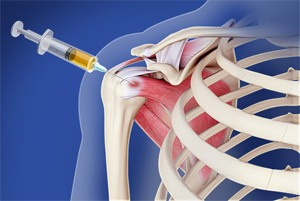
When oral medications and physical therapy aren’t providing adequate relief from joint pain, injections offer a more targeted approach delivering treatment directly to the affected joint. But which type of injection is right for you?
Corticosteroid injections, hyaluronic acid (viscosupplementation), and platelet-rich plasma (PRP) each work through different mechanisms, suit different patient profiles, and offer distinct advantages and limitations. Understanding these differences empowers you to have informed discussions with your orthopedic specialist about the best option for your specific situation.
Understanding the Three Main Injection Types
Corticosteroid Injections
What They Are: Powerful anti-inflammatory medications (synthetic versions of cortisol) injected directly into the joint space or surrounding tissues.
Common Formulations:
- Methylprednisolone (Depo-Medrol)
- Triamcinolone (Kenalog)
- Betamethasone (Celestone)
How They Work:
- Suppress local inflammation rapidly
- Reduce swelling and pain
- Block inflammatory chemical production
- Decrease immune cell activity in the joint
Hyaluronic Acid Injections (Viscosupplementation)
What They Are: Gel-like substances that supplement or replace the synovial fluid naturally present in joints.
Common Brands:
- Synvisc, Synvisc-One
- Euflexxa
- Hyalgan
- Orthovisc
- Monovisc
How They Work:
- Supplement depleted joint fluid
- Provide cushioning and lubrication
- May have mild anti-inflammatory properties
- Potentially stimulate natural hyaluronic acid production
Platelet-Rich Plasma (PRP) Injections
What They Are: Concentrated platelets from your own blood containing growth factors and healing proteins.
How They Work:
- Deliver growth factors to damaged tissue
- May stimulate healing and tissue repair
- Reduce inflammation through biological mechanisms
- Potentially enhance cartilage health
As detailed in our comprehensive guide on PRP therapy in orthopedics, this treatment harnesses your body’s natural healing mechanisms.
Side-by-Side Comparison
Mechanism of Action
Corticosteroids:
- Primary effect: Anti-inflammatory
- Speed: Rapid (24-48 hours)
- How it helps: Suppresses inflammation causing pain
- Tissue effect: None; purely symptomatic
Hyaluronic Acid:
- Primary effect: Mechanical lubrication
- Speed: Gradual (2-4 weeks for full effect)
- How it helps: Improves joint mechanics, mild anti-inflammatory effect
- Tissue effect: Temporary improvement in joint environment
PRP:
- Primary effect: Biological healing stimulus
- Speed: Slow (4-12 weeks for full effect)
- How it helps: May stimulate tissue repair and reduce inflammation
- Tissue effect: Potentially regenerative (though limited)
Duration of Relief
Corticosteroids:
- Typical duration: 1-4 months
- Highly variable between patients
- Some experience weeks, others months
- Effect often diminishes with repeated use
Hyaluronic Acid:
- Typical duration: 6-12 months
- More consistent duration than steroids
- Some patients experience shorter relief
- Can be repeated when effects wear off
PRP:
- Typical duration: 6-18 months
- Wide variability depending on condition severity
- May provide longer relief in appropriate candidates
- Effects sometimes cumulative with multiple injections
Number of Injections Required
Corticosteroids:
- Single injection per treatment
- Can repeat when effects wear off
- Maximum 3-4 injections per joint per year
- Excessive frequency risks cartilage damage
Hyaluronic Acid:
- Traditional: Series of 3-5 injections weekly
- Single-injection formulations available (Synvisc-One, Monovisc)
- Can repeat series when relief diminishes
- Typically 6-12 months between series
PRP:
- Usually 1-3 injections
- Spaced 2-4 weeks apart if multiple
- Protocol varies by physician and condition
- May repeat after 6-12 months if beneficial
Cost Considerations
Corticosteroids:
- Least expensive option
- ₹2,000-5,000 per injection typically
- Usually well-covered by insurance
- Medication cost minimal
Hyaluronic Acid:
- Moderate cost
- ₹15,000-40,000 per series (or single injection)
- Often covered by insurance for knee osteoarthritis
- May require pre-authorization
- Brand variations affect cost
PRP:
- Most expensive option
- ₹15,000-50,000 per treatment
- Rarely covered by insurance (considered experimental by many insurers)
- Usually out-of-pocket expense
- Preparation method affects cost
Insurance Coverage
Corticosteroids:
- Universally covered
- Minimal authorization requirements
- Standard accepted treatment
Hyaluronic Acid:
- Generally covered for knee osteoarthritis
- May require failed trial of conservative treatment
- Pre-authorization often needed
- Coverage varies by insurer and joint
PRP:
- Usually NOT covered by insurance
- Considered investigational/experimental
- Patient pays out-of-pocket
- Some international insurance plans cover it
Best Candidates for Each Injection Type
Corticosteroid Injections: Ideal Candidates
Clinical Situations:
- Acute inflammatory flares of arthritis
- Inflammatory arthritis (rheumatoid arthritis, psoriatic arthritis)
- Bursitis or tendinitis
- Need for rapid pain relief
- Enabling physical therapy participation
- Bridge therapy while other treatments take effect
Patient Characteristics:
- Any age appropriate
- Acute or subacute symptoms
- Significant inflammation present
- Need quick results (upcoming event, travel)
- Cannot take oral anti-inflammatories
Best Response Seen In:
- Inflammatory conditions
- Earlier-stage arthritis
- Patients with significant swelling
- Synovitis (inflamed joint lining)
As discussed in our article comparing osteoarthritis vs. rheumatoid arthritis, corticosteroids play different roles depending on the underlying condition.
Hyaluronic Acid: Ideal Candidates
Clinical Situations:
- Mild to moderate knee osteoarthritis
- “Dry” joints lacking adequate lubrication
- Failed response to oral medications and therapy
- Desire for longer-lasting relief than steroids
- Not ready for surgery
- Cannot take NSAIDs due to medical conditions
Patient Characteristics:
- Age typically 50-80 years
- Moderate activity level
- Reasonable expectations about relief
- Able to afford treatment if insurance doesn’t cover
- Willing to wait weeks for full effect
Best Response Seen In:
- Moderate osteoarthritis (Kellgren-Lawrence grades 2-3)
- Patients without bone-on-bone changes
- Knee osteoarthritis specifically (most research)
- Those who respond well to initial series
Less Ideal For:
- Severe, end-stage arthritis
- Bone-on-bone joints
- Significant deformity
- Inflammatory arthritis
PRP Injections: Ideal Candidates
Clinical Situations:
- Moderate osteoarthritis (grades 2-3)
- Failed conservative treatment but not ready for surgery
- Tendinopathies (tennis elbow, Achilles tendinitis)
- Partial tendon or ligament tears
- Desire for “regenerative” approach
- Younger patients wanting to preserve joint
Patient Characteristics:
- Generally younger (<70 years, though not absolute)
- Active lifestyle
- Failed physical therapy and medications
- Not candidates for hyaluronic acid
- Willing to pay out-of-pocket
- Realistic expectations about outcomes
- Patient enough to wait months for full effect
Best Response Seen In:
- Late grade 2 to early grade 3 osteoarthritis
- Patients who haven’t responded adequately to other conservative treatments
- Those without severe bone-on-bone changes
- Tendon injuries resistant to other treatments
NOT Ideal For:
- Severe, end-stage arthritis (grade 4)
- Very early arthritis (grade 1)—conservative treatment usually sufficient
- Patients with unrealistic expectations
- Those unable to afford out-of-pocket costs
For comprehensive guidance on patient selection, see our detailed article on PRP therapy, which emphasizes that inappropriate patient selection can worsen symptoms rather than improve them.
Effectiveness: What Does Research Show?
Corticosteroid Injections
Evidence Base:
- Extensive research over decades
- Proven short-term efficacy
- 70-80% of patients experience significant short-term relief
- Effects typically last weeks to months
Key Findings:
- Superior to placebo for short-term pain relief
- More effective for inflammatory conditions
- Diminishing returns with repeated injections
- No long-term disease modification
- Possible negative effects on cartilage with excessive use
Limitations:
- Temporary relief only
- Does not slow arthritis progression
- May accelerate cartilage loss if overused
- Potential systemic side effects
Hyaluronic Acid Injections
Evidence Base:
- Moderate evidence supporting efficacy
- Some studies positive, others show minimal benefit
- Meta-analyses suggest modest effectiveness
- More consistent than corticosteroids for duration
Key Findings:
- 60-70% of appropriate patients experience meaningful relief
- Effects develop gradually over weeks
- Longer duration than corticosteroids typically
- May delay need for surgery in some patients
- Effect size moderate compared to placebo
Controversies:
- Some studies question efficacy beyond placebo
- Significant cost for modest benefit concerns some
- Insurance coverage debates ongoing
- Brand differences may affect outcomes
Best Evidence For:
- Knee osteoarthritis specifically
- Moderate severity (not early, not end-stage)
- Patient selection matters significantly
PRP Injections
Evidence Base:
- Growing but still limited compared to other injections
- Quality of studies variable
- Preparation methods not standardized
- Results inconsistent across studies
Key Findings:
- Some studies show superior results to hyaluronic acid
- May provide longer-lasting relief than other injections
- Effectiveness varies with preparation technique
- Patient selection crucial for outcomes
- More effective for tendon injuries than arthritis in some research
Challenges:
- Lack of standardization in preparation
- Wide variation in platelet concentration
- Different activation protocols
- Makes comparing studies difficult
Emerging Evidence:
- Combination with hyaluronic acid may be synergistic
- Multiple injections may be more effective than single
- Younger patients with moderate arthritis seem to benefit most
- Long-term safety profile appears good
Risks and Side Effects
Corticosteroid Injections
Common Side Effects:
- Temporary pain increase (post-injection flare) in 2-5% of patients
- Skin discoloration or fat atrophy at injection site
- Facial flushing (hours to days after injection)
- Temporary blood sugar elevation in diabetics
- Mild anxiety or insomnia
Serious Risks (Rare):
- Joint infection (<1 in 10,000)
- Tendon rupture (if injected into tendon)
- Cartilage damage with excessive use
- Accelerated arthritis progression
- Systemic effects with frequent injections
Contraindications:
- Active infection
- Poorly controlled diabetes
- Allergy to components
- Recent fracture
Special Considerations:
- Limit frequency to protect cartilage
- Monitor blood sugar in diabetics
- Avoid in weight-bearing tendons
Hyaluronic Acid Injections
Common Side Effects:
- Mild pain or swelling at injection site (20-30% of patients)
- Temporary increased pain or stiffness
- Warmth or redness around joint
- Usually resolves within 48 hours
Serious Risks (Very Rare):
- Allergic reaction (especially avian-derived products)
- Joint infection (<1 in 10,000)
- Pseudo-septic reaction (inflammatory response mimicking infection)
Contraindications:
- Active infection
- Bird egg or feather allergy (some products)
- Bleeding disorders
Generally Well Tolerated:
- Lower risk profile than corticosteroids
- No cartilage damage concerns
- Can be repeated safely
- Minimal systemic effects
PRP Injections
Common Side Effects:
- Pain and swelling at injection site (very common, 30-50%)
- Temporary stiffness
- Bruising
- Usually more post-injection discomfort than other injections
- Resolves within days to weeks
Serious Risks (Extremely Rare):
- Joint infection (minimal risk with proper technique)
- Allergic reaction (very rare since using own blood)
Advantages:
- Autologous (own tissue) minimizes rejection risk
- No allergy concerns
- No disease transmission
- Very safe overall
Considerations:
- More post-injection pain typical
- May need to modify activities briefly after injection
- Temporary pain increase doesn’t indicate failure
Procedure Differences
Corticosteroid Injection Procedure
Preparation:
- Skin cleaned with antiseptic
- Local anesthetic often included in injection
- No special preparation needed
Injection Technique:
- Direct injection into joint space
- Can use anatomical landmarks
- Ultrasound or fluoroscopy for difficult joints
- Takes 1-2 minutes
Post-Injection:
- Rest joint 24-48 hours
- Ice if swelling occurs
- Resume normal activities gradually
- Effects often felt within 24-48 hours
Hyaluronic Acid Injection Procedure
Preparation:
- Joint may be aspirated (fluid removed) first if effusion present
- Skin thoroughly cleaned
- No blood draw needed
Injection Technique:
- Larger volume injected than corticosteroid
- May feel pressure during injection
- Ultrasound guidance increasingly common
- Single injection or weekly series
Post-Injection:
- Avoid strenuous activity 48 hours
- Ice if recommended
- May experience temporary increased fullness in joint
- Effects develop over 2-4 weeks
PRP Injection Procedure
Preparation:
- Blood draw (30-60 mL typically)
- Blood centrifuged to concentrate platelets
- Preparation takes 15-45 minutes
- Some protocols activate platelets before injection
Injection Technique:
- Concentrated PRP injected into joint
- May use ultrasound guidance for precise placement
- Can inject into multiple sites if treating tendon
- Entire process 45-90 minutes
Post-Injection:
- Rest 24-48 hours typically
- Avoid anti-inflammatory medications (may interfere with healing)
- Ice for comfort
- Modified activity 1-2 weeks
- Effects develop over 4-12 weeks
Combining Injection Types
Some treatment protocols combine injections strategically:
Corticosteroid Followed by Hyaluronic Acid
Rationale:
- Steroid reduces inflammation first
- Hyaluronic acid provides longer-term benefit
- Two-stage approach to optimize joint environment
Protocol:
- Corticosteroid injection initially
- Wait 2-4 weeks
- Hyaluronic acid series
- Some evidence supporting this approach
PRP with Hyaluronic Acid
Rationale:
- Hyaluronic acid provides immediate cushioning
- PRP provides regenerative stimulus
- Potentially synergistic effects
Protocol:
- Both injected together or sequentially
- Growing interest in this combination
- Research ongoing about optimal protocol
Sequential Approach
Progressive Treatment:
- Start with least invasive (corticosteroid)
- Progress to hyaluronic acid if needed
- Consider PRP if others insufficient
- Each step informs next decision
Role in Overall Treatment Strategy
Injections are tools within comprehensive arthritis management, not standalone solutions.
Conservative Treatment Context
As detailed in our guide on knee replacement alternatives, injections work best when combined with:
Essential Concurrent Treatments:
- Physical therapy and exercise
- Weight management when applicable
- Activity modification
- Appropriate oral medications
- Assistive devices if needed
Injection Role:
- Provide symptom relief enabling other treatments
- Bridge to surgery if eventually needed
- Delay surgery in patients not ready
- Allow participation in physical therapy
- Improve quality of life during conservative management
When Injections Aren’t Enough
Signs to Consider Surgery:
- Repeated injections with diminishing returns
- Injection effects lasting weeks instead of months
- Severe arthritis (bone-on-bone)
- Unacceptable quality of life despite injections
- Progressive functional limitation
When conservative treatments including injections fail to provide adequate relief, exploring surgical options such as robotic or traditional knee replacement becomes appropriate.
Joint-Specific Considerations
Knee Injections (Most Common)
All Three Types Used:
- Most research available for knee
- All FDA-approved for knee osteoarthritis (except PRP)
- Easiest joint to inject accurately
- Largest volume of clinical experience
Best Evidence:
- Hyaluronic acid specifically approved for knee OA
- Most PRP studies focus on knee
- Corticosteroids widely used
Hip Injections
Technique Matters:
- Deeper joint requiring imaging guidance
- Fluoroscopy or ultrasound essential for accuracy
- More technically demanding
Injection Preferences:
- Corticosteroids commonly used
- Hyaluronic acid less studied for hip
- PRP growing in use
- Diagnostic value (confirms pain source)
Shoulder Injections
Common Indications:
- Corticosteroids for rotator cuff, bursitis, arthritis
- PRP for rotator cuff tendinopathy
- Hyaluronic acid less commonly used
Considerations:
- Tendon injection requires expertise
- Risk of tendon rupture if incorrectly placed
- Multiple anatomical targets (joint vs. bursa vs. tendon)
Other Joints
Ankle:
- All three types used
- Limited space challenges injection
- Good outcomes with appropriate technique
Wrist/Hand:
- Mainly corticosteroids
- Small joint size limits options
- Effective for specific conditions
Making Your Decision: A Framework
Questions to Ask Yourself
About Your Condition:
- How severe is my arthritis?
- Is inflammation a major component?
- Have I optimized conservative treatments?
- Am I considering surgery soon or trying to delay it?
About Your Goals:
- Do I need rapid relief or can I wait weeks?
- How long do I need relief to last?
- Am I looking for the most proven option or willing to try newer approaches?
- How important is potential regenerative effect vs. symptom relief?
About Practical Matters:
- What can I afford if insurance doesn’t cover it?
- Can I take time for multiple injections?
- Am I willing to accept more post-injection discomfort for potentially better long-term results?
Questions to Ask Your Doctor
About Recommendations:
- Which injection do you recommend for my specific situation and why?
- What success rate do you see with each option in patients like me?
- What are realistic expectations for relief duration?
- How many patients need repeat injections?
About Procedure:
- Do you use ultrasound or fluoroscopy guidance?
- What is your experience with each injection type?
- What should I expect for post-injection recovery?
- When would we consider a different injection if this doesn’t work?
About Alternatives:
- Should I try a combination approach?
- Are there other treatments to combine with injections?
- When would we consider surgery instead?
Special Patient Populations
Diabetic Patients
Corticosteroids:
- Can significantly raise blood sugar
- May persist 48-72 hours
- Monitor glucose closely
- May need temporary medication adjustment
Hyaluronic Acid & PRP:
- No direct blood sugar effect
- Safer options for diabetics
- Still require infection prevention vigilance
Patients on Blood Thinners
All Injections:
- Increased bleeding risk
- May need temporary anticoagulation adjustment
- Discuss with prescribing physician
- Benefits vs. risks assessment
Generally Safe With:
- Aspirin alone typically
- Proper technique and precautions
- Experienced injector
Younger, Active Patients
Preferences:
- Often choose PRP for regenerative potential
- Want to avoid steroids (cartilage concerns)
- Willing to pay out-of-pocket
- Accept longer timeline for results
- Higher activity demands
Older Adults
Preferences:
- May prioritize rapid relief (corticosteroids)
- Insurance coverage important
- Proven treatments preferred
- May have multiple medical conditions affecting choice
The Bottom Line: Matching Injection to Patient
No single injection type is universally “best”—the optimal choice depends on your specific situation.
Choose Corticosteroids When:
- You need rapid pain relief
- Significant inflammation present
- Cost is a primary concern
- You need to enable physical therapy quickly
- Inflammatory arthritis involved
- Bridge therapy while other treatments initiated
Choose Hyaluronic Acid When:
- You have moderate knee osteoarthritis
- You want longer-lasting relief than steroids
- You can’t take NSAIDs
- You’ve had good response to previous series
- Insurance covers it
- You can wait weeks for full effect
Choose PRP When:
- You have moderate arthritis (grades 2-3)
- Conservative treatments have failed
- You’re not ready for surgery
- You want regenerative approach
- Cost isn’t prohibitive
- You’re patient enough to wait months for results
- You’re an appropriate candidate (critical—see our detailed PRP guide)
Consider Combination When:
- Single injection type insufficient
- Your doctor recommends staged approach
- Research supports synergistic effects
- You can afford multi-modal treatment
Key Success Factors:
- Accurate diagnosis and arthritis staging
- Appropriate patient selection for injection type
- Experienced injector using proper technique
- Realistic expectations about outcomes
- Integration with comprehensive treatment plan
- Commitment to concurrent conservative treatments
Remember: Injections are valuable tools but not magic solutions. They work best when:
- Part of comprehensive arthritis management
- Combined with physical therapy, weight management, and activity modification
- Used at the right stage of disease
- Administered to appropriate candidates
- Integrated into long-term treatment strategy
Whether you choose corticosteroids for rapid relief, hyaluronic acid for sustained improvement, or PRP for regenerative potential, the goal remains the same: reducing pain, improving function, and maintaining quality of life while preserving your natural joint as long as possible.
Work with your orthopedic specialist to determine which injection type or combination – best serves your specific needs, goals, and circumstances. With proper selection and realistic expectations, joint injections can provide significant relief and delay or eliminate the need for more invasive interventions.
Leave a Reply