
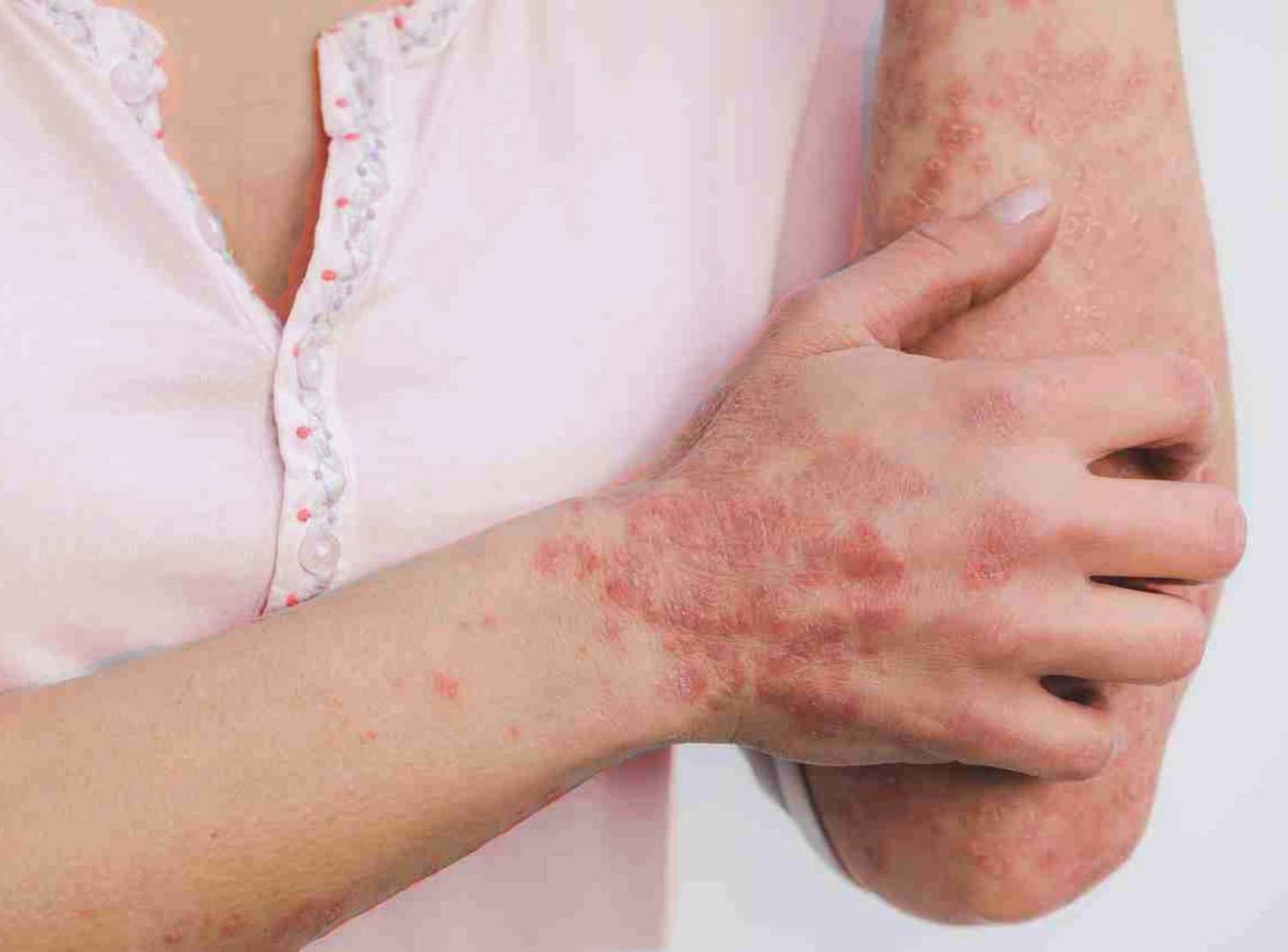
The red, scaly patches appeared on Namita’s elbows during Delhi’s winter. His family insisted it was just “dry skin” and suggested applying ghee and turmeric. Three months and countless home remedies later, the patches had spread to his knees, scalp, and lower back.
When she finally consulted me, her psoriasis had become moderate-to-severe, requiring aggressive medical management that could have been avoided with early intervention.
This story repeats itself across India. Psoriasis affects approximately 2-3% of Indians – roughly 3-4 Crore people yet remains widely misunderstood, misdiagnosed, and undertreated. Cultural stigma, confusion with other skin conditions, and reliance on unproven remedies delay proper care while the condition progressively worsens.
As a dermatologist practicing in Delhi, I witness how India’s diverse climate from Rajasthan’s arid heat to Kerala’s humid tropics, from Himalayan cold to coastal moisture creates unique challenges for psoriasis management.
What works in Chennai may fail in Shimla. Summer strategies differ dramatically from winter approaches. One-size-fits-all treatment protocols ignore these critical environmental factors.
Understanding how climate affects your psoriasis, recognizing regional triggers, and adapting management strategies accordingly transforms an unpredictable, frustrating condition into a manageable chronic disease that doesn’t control your life.
Understanding Psoriasis: Beyond “Just Dry Skin”
What Psoriasis Actually Is
Psoriasis is an autoimmune condition where your immune system mistakenly attacks healthy skin cells, causing them to multiply 10 times faster than normal. This rapid turnover creates thick, scaly patches that won’t heal with simple moisturizers or home remedies.
The mechanism:
- Immune system dysfunction triggers inflammation
- Skin cells multiply rapidly (3-4 days instead of normal 28-30 days)
- Excess cells accumulate on skin surface
- Results in thick, scaly, often itchy plaques
- Chronic, lifelong condition with periods of flare and remission
Why it’s not “just dry skin”:
- Dry skin affects surface only; psoriasis involves deeper immune dysfunction
- Moisturizers alone cannot control psoriasis
- Systemic disease, not purely cosmetic
- Can affect joints (psoriatic arthritis), nails, and overall health
- Requires medical management, not just skincare
Common Types in Indian Patients
Plaque psoriasis (80-90% of cases):
- Raised, red patches covered with silvery-white scales
- Commonly on elbows, knees, scalp, lower back
- Can appear anywhere on body
- Size varies from coin-sized to covering large areas
Guttate psoriasis:
- Small, drop-shaped spots
- Often triggered by strep throat or infections
- More common in children and young adults
- Can develop into plaque psoriasis
Inverse psoriasis:
- Smooth, red patches in skin folds
- Under breasts, groin, armpits, between buttocks
- No scales due to moisture in these areas
- Worsened by friction and sweating (significant in Indian climate)
Scalp psoriasis:
- Affects 50-80% of psoriasis patients
- Often mistaken for severe dandruff
- Thick, silvery scales on scalp
- Can extend beyond hairline to forehead, neck, ears
Nail psoriasis:
- Pitting (small dents in nails)
- Discoloration (yellow-brown)
- Thickening and crumbling
- Separation from nail bed
- Affects 50% of psoriasis patients
Pustular psoriasis (rare but serious):
- White pustules surrounded by red skin
- Can be localized or widespread
- May require hospitalization
- Medical emergency if widespread
Erythrodermic psoriasis (rare, severe):
- Covers most of body with red, peeling rash
- Can be life-threatening
- Requires immediate medical attention
- May cause temperature dysregulation, fluid imbalance
For general information about psoriasis and available treatments, our psoriasis service page provides an overview of management options.
How Indian Climate Affects Psoriasis
The Climate-Psoriasis Connection
Temperature effects:
- Cold: Constricts blood vessels, reduces skin hydration, worsens psoriasis
- Heat: Can improve psoriasis for some, worsen for others (sweating irritates)
- Extreme fluctuations: Stress skin, trigger flares
Humidity impact:
- Low humidity: Dries skin, worsens plaques, increases itching
- High humidity: May help some patients, but sweating can irritate inverse psoriasis
- Optimal range: 40-60% humidity generally best
Sun exposure:
- UV rays: Generally beneficial for psoriasis (controlled exposure)
- Intense Indian sun: Risk of sunburn worsening condition
- Balance crucial: Enough sun for benefit, not so much to burn
Pollution effects (urban areas):
- Triggers inflammatory responses
- Worsens existing plaques
- Particularly problematic in Delhi, Mumbai, Kolkata
- Requires additional skin protection
Our comprehensive guides on Delhi winter skincare and Delhi pollution management address environmental challenges that worsen psoriasis.
Regional Psoriasis Management in India
North India (Delhi, Punjab, Haryana, UP, Rajasthan)
Climate characteristics:
- Extreme seasonal variation (2°C to 45°C)
- Very dry winters, hot summers
- Severe pollution in urban areas (especially Delhi)
- Low humidity most of year
How psoriasis behaves:
- Winter (Nov-Feb): Major flare season
- Extreme dryness worsens plaques
- Cold constricts blood vessels
- Delhi’s pollution peaks (AQI 300-500+)
- Indoor heating further dries skin
- Summer (Apr-Jun): Mixed effects
- Heat may improve some cases
- Excessive sweating irritates inverse psoriasis
- Dehydration common
- Dust storms (Rajasthan) trigger some patients
Regional management strategies:
Winter protocol (critical season):
- Intensive moisturization (3-4 times daily)
- Humidifiers essential (maintain 40-50% humidity)
- Lukewarm (never hot) water for bathing
- Immediate moisturizer application post-bath
- Increased medication dosage often needed
- Air purifiers for pollution protection
- Vitamin D supplementation (reduced sun exposure)
Summer approach:
- Light, breathable cotton clothing
- Frequent cool showers (avoid soap overuse)
- Controlled sun exposure (15-20 minutes morning sun)
- Stay hydrated (8-10 glasses water daily)
- Air conditioning (but with humidifier)
- Lightweight moisturizers
Pollution management (year-round, worse in winter):
- Gentle cleansing to remove pollutants
- Antioxidant-rich moisturizers
- Indoor air purification
- Minimize outdoor exposure during peak pollution
- Barrier repair creams
Product recommendations:
- Heavy ointments/petroleum jelly for winter
- Coal tar preparations (well-tolerated, affordable)
- Salicylic acid for thick scales
- Urea-based creams (10-20%) for hydration
Cost-effective options for region:
- Government hospitals offer subsidized biologics
- Coal tar soap and creams (₹100-400, very effective)
- Generic medications significantly cheaper
- AIIMS Delhi for advanced treatments
South India (Tamil Nadu, Karnataka, Kerala, Andhra Pradesh, Telangana)
Climate characteristics:
- Consistently warm to hot year-round
- High humidity (60-90%, especially coastal)
- Monsoon seasons (June-Sept, Oct-Dec)
- Less temperature variation
How psoriasis behaves:
- Generally milder than North India
- Humidity prevents extreme dryness
- Year-round sun exposure beneficial (controlled)
- Inverse psoriasis more problematic (sweating, humidity)
- Fungal co-infections common (humid environment)
Regional management strategies:
Humidity management:
- Light, moisture-wicking clothing essential
- Frequent bathing to remove sweat
- Antifungal powders in skin folds (prevent secondary infections)
- Air conditioning for comfort
- Dehumidifiers in very humid coastal areas
Heat and sweating:
- Cool, frequent showers (2-3 daily if needed)
- Lightweight lotions (not heavy creams)
- Cotton clothing only
- Avoid occlusive ointments (trap heat)
- Targeted treatment for inverse psoriasis
Sun exposure optimization:
- Morning sun (before 10 AM) for 15-20 minutes
- Avoid midday sun (too intense)
- Gradual increase in exposure time
- Monitor for sunburn carefully
Monsoon adjustments:
- Increased antifungal vigilance
- Quick drying after rain exposure
- Waterproof footwear
- Extra moisturization if air conditioning use increases
Product recommendations:
- Light lotions and gels
- Aloe vera-based preparations
- Calamine for cooling relief
- Antifungal combinations for skin folds
Traditional approaches (Kerala especially):
- Ayurvedic treatments available (panchakarma, etc.)
- Can complement medical treatment
- Discuss with dermatologist before trying
- Some patients report benefit
East India (West Bengal, Odisha, Bihar, Jharkhand, Northeast)
Climate characteristics:
- High humidity year-round
- Hot, humid summers
- Moderate winters (except hills)
- Heavy monsoon (June-September)
- Coastal areas very humid
How psoriasis behaves:
- Similar to South India coastal patterns
- Fungal co-infections common
- Winter relatively mild (less severe flares than North)
- Monsoon season challenging
Regional management strategies:
High humidity protocol:
- Emphasis on keeping skin folds dry
- Regular antifungal powder use
- Lightweight, breathable fabrics
- Multiple clothing changes if sweating heavily
Monsoon management:
- Waterproof covering for extensive psoriasis
- Immediate drying after rain exposure
- Antifungal vigilance
- Indoor drying of clothes (outdoor dampness)
Moderate winter care:
- Less intensive than North India
- Standard moisturization usually sufficient
- Some patients experience relief
- Maintain medication consistency
Product recommendations:
- Gel-based formulations
- Light creams with antifungal properties
- Absorptive powders
- Non-comedogenic moisturizers
West India (Maharashtra, Gujarat, Goa)
Climate characteristics:
- Hot, humid coastal areas (Mumbai, Goa)
- Hot, dry inland (parts of Maharashtra, Gujarat)
- Moderate winters
- Distinct wet and dry seasons
How psoriasis behaves:
- Variable based on coastal vs. inland
- Coastal: Similar to South India patterns
- Inland: Drier, may worsen in summer heat
- Urban pollution (Mumbai) exacerbates condition
Regional management strategies:
Coastal areas (Mumbai, Goa):
- High humidity management
- Sweat and friction control
- Light moisturizers
- Regular bathing
- Antifungal prevention
Inland areas (Pune, Nashik, parts of Gujarat):
- More intensive moisturization
- Heat protection
- Controlled sun exposure
- Hydration emphasis
Urban pollution management (Mumbai, Pune):
- Evening cleansing to remove pollutants
- Antioxidant skincare
- Indoor air quality improvement
- Protective clothing when outdoors
Monsoon protocol:
- Heavy rains require waterproofing
- Quick drying essential
- Fungal infection prevention
- Maintain medication despite humidity
Hill Stations and High Altitude (Himachal, Uttarakhand, J&K, Northeast hills)
Climate characteristics:
- Cold winters, mild summers
- Lower humidity
- High UV exposure (altitude)
- Extreme temperature variations
How psoriasis behaves:
- Often worsens significantly in winter
- May improve in mild summer
- UV exposure at altitude beneficial (with care)
- Dry air problematic year-round
Regional management strategies:
Winter management (severe):
- Extremely intensive moisturization
- Heating without over-drying air
- Heavy ointments and occlusives
- Limited bathing (drying effect)
- Medication increase often needed
Summer approach:
- Capitalize on mild weather
- Controlled UV exposure (careful at altitude)
- Outdoor time when possible
- Maintain moisturization
Altitude considerations:
- Higher UV intensity requires caution
- Gradual sun exposure increase
- Sunscreen on unaffected areas
- Monitor for sunburn carefully
Common Triggers Across All Regions
Universal Triggers (Regardless of Climate)
Infections:
- Strep throat (major trigger for guttate psoriasis)
- Skin infections
- Respiratory infections
- HIV (can cause severe psoriasis)
Stress (psychological and physical):
- Work pressure, family issues
- Life events (weddings, exams, job changes)
- Lack of sleep
- Chronic anxiety or depression
Medications:
- Beta-blockers (blood pressure medication)
- Lithium (psychiatric medication)
- Antimalarials (chloroquine)
- NSAIDs in some patients
- Sudden steroid withdrawal
Skin trauma (Koebner phenomenon):
- Cuts, scrapes, or injuries
- Sunburn
- Tattoos or piercings
- Aggressive scratching
- Tight clothing causing friction
Alcohol and smoking:
- Both worsen psoriasis significantly
- Reduce treatment effectiveness
- Trigger flares
- Particularly problematic in Indian social settings
Dietary triggers (individual variation):
- Processed foods
- Excessive sugar
- Red meat (for some patients)
- Dairy (controversial, individual response)
- Nightshade vegetables (tomatoes, eggplant) for some
Indian-Specific Triggers
Cultural and lifestyle factors:
Festive season stress:
- Diwali preparation and celebration
- Wedding season activities
- Religious ceremonies and travel
- Irregular sleep, dietary changes
Traditional treatments:
- Harsh scrubbing to remove scales
- Application of irritating substances
- Discontinuing medications for “natural” remedies
- Delayed professional treatment
Occupational factors:
- Manual labor in extreme conditions
- Prolonged sun exposure (farmers, construction workers)
- Chemical exposure (factories, cleaning)
- High-stress professional environments
Dietary patterns:
- Heavy spices (may irritate some patients)
- Fried foods
- Festival sweets and rich foods
- Irregular eating patterns
Medical Management: Evidence-Based Treatments
Topical Treatments (Mild to Moderate Psoriasis)
Corticosteroids (anti-inflammatory):
- Mild: Hydrocortisone 1% (face, folds)
- Moderate: Mometasone, betamethasone (body)
- Potent: Clobetasol (thick plaques, limited duration)
- Application: Once or twice daily as prescribed
- Cost: ₹100-800 depending on potency and brand
- Caution: Not for prolonged use, can thin skin
Vitamin D analogues:
- Calcipotriol most common
- Slows skin cell growth
- Often combined with steroids
- Once daily application
- Cost: ₹400-1,200
- Safer for long-term use than steroids alone
Calcineurin inhibitors:
- Tacrolimus, pimecrolimus
- For sensitive areas (face, folds, genitals)
- No skin thinning risk
- Twice daily
- Cost: ₹500-1,500
- Particularly useful for inverse psoriasis
Coal tar preparations:
- Traditional, effective, affordable
- Shampoos, soaps, ointments
- Reduces scaling and inflammation
- Daily use possible
- Cost: ₹100-500 (very economical)
- Smell and staining main drawbacks
- Well-tolerated in Indian patients
Salicylic acid:
- Removes scales
- Enhances other treatment penetration
- 2-10% concentration
- Often combined with steroids
- Cost: ₹150-600
Moisturizers (essential adjunct):
- Urea-based (10-20%) for thick plaques
- Ceramide-containing for barrier repair
- Petroleum jelly for severe dryness
- Multiple daily applications
- Cost: ₹200-2,000
Phototherapy (Moderate Psoriasis)
Narrow-band UVB (most common):
- 2-3 sessions weekly
- Gradual increase in exposure time
- Effective for 70-80% of patients
- No systemic side effects
- Session cost: ₹300-800
- Series of 20-30 sessions typically
PUVA (psoralen + UVA):
- Reserved for resistant cases
- Requires oral medication before UV exposure
- More side effects than UVB
- Less commonly used now
Home phototherapy units:
- Available for purchase (₹30,000-1,00,000)
- Convenient for long-term management
- Requires initial medical guidance
- Cost-effective over time for chronic cases
Natural sunlight (free option):
- Morning sun 15-20 minutes
- Gradual increase
- Monitor carefully for burning
- Particularly feasible in most of India
Systemic Medications (Moderate to Severe Psoriasis)
Methotrexate:
- Weekly oral or injectable
- Very effective, affordable
- Regular blood monitoring required
- Cost: ₹50-200 weekly
- Side effects: Nausea, liver concerns, requires folic acid
- Cannot use if planning pregnancy
Acitretin (retinoid):
- Daily oral medication
- Effective for pustular and erythrodermic types
- Requires monitoring
- Cost: ₹300-1,000 monthly
- Side effects: Dry lips, hair loss (temporary), birth defects (cannot use if planning pregnancy)
Cyclosporine:
- Potent immunosuppressant
- Reserved for severe cases
- Short-term use (few months typically)
- Requires kidney and blood pressure monitoring
- Cost: ₹2,000-5,000 monthly
- Effective but significant side effects
Apremilast:
- Newer oral medication
- PDE4 inhibitor
- Fewer monitoring requirements
- Cost: ₹15,000-25,000 monthly (expensive)
- Better side effect profile than older drugs
Biologic Medications (Severe, Resistant Psoriasis)
TNF-alpha inhibitors:
- Adalimumab, etanercept, infliximab
- Injections every 2-4 weeks
- Very effective (70-90% clearance)
- Cost: ₹25,000-60,000 per dose
- Insurance may cover partially
IL-17 inhibitors:
- Secukinumab, ixekizumab
- Even higher efficacy
- Monthly to quarterly injections
- Cost: ₹35,000-70,000 per dose
- Newer, highly effective
IL-23 inhibitors:
- Guselkumab, risankizumab
- Longest duration between doses
- Excellent efficacy and safety
- Cost: ₹50,000-80,000 per dose
- Cutting-edge option
Accessing biologics in India:
- Government hospitals offer at subsidized rates
- Patient assistance programs available
- Insurance coverage possible
- AIIMS, PGI Chandigarh, other tertiary centers
- Private insurance increasingly covering
Combination Approaches
Most effective strategy: Combining treatments for synergistic effect
- Topical steroids + vitamin D analogue
- Phototherapy + topicals
- Systemic medication + phototherapy
- Rotating treatments to prevent tolerance
Lifestyle Management Strategies
Bathing and Skin Care
Optimal bathing practices:
- Lukewarm (never hot) water
- 10-15 minutes maximum
- Gentle, fragrance-free cleansers
- Avoid harsh scrubbing (worsens condition)
- Pat dry gently, don’t rub
- Apply moisturizer within 3 minutes of bathing
Best cleansing products:
- Coal tar soaps (₹50-200)
- Salicylic acid cleansers
- Fragrance-free gentle soaps
- Avoid antibacterial soaps (unnecessary, drying)
Moisturizing protocol:
- Minimum 2-3 times daily
- After bathing always
- Heavier at night
- Focus on affected areas but treat entire body
Climate-specific adjustments:
- North India winter: 4-5 times daily, heavy ointments
- South India: 2-3 times daily, lighter lotions
- Humid regions: Non-comedogenic formulations
- Dry regions: Thick, occlusive products
Dietary Approaches
Anti-inflammatory diet:
- Omega-3 rich foods (walnuts, flax seeds, fish)
- Colorful fruits and vegetables
- Whole grains
- Turmeric and ginger (natural anti-inflammatory)
- Green tea
Foods to limit:
- Processed and fried foods
- Excessive sugar
- Alcohol (significant trigger)
- Red meat (for some patients)
- Individual triggers identified through elimination
Weight management:
- Obesity worsens psoriasis
- Even 5-10% weight loss improves symptoms
- Reduces inflammation
- Improves medication effectiveness
- Decreases friction in skin folds
Hydration:
- 8-10 glasses water daily
- More in hot climates
- Essential for skin health
- Supports detoxification
Stress Management
Why stress matters:
- Major trigger for flares
- Worsens existing plaques
- Reduces treatment effectiveness
- Creates vicious cycle (psoriasis causes stress, stress worsens psoriasis)
Effective stress reduction:
- Regular exercise (30 minutes, 5x weekly)
- Yoga and meditation (proven benefit for psoriasis)
- Adequate sleep (7-9 hours)
- Professional counseling if needed
- Support groups (online or in-person)
- Time management
- Relaxation techniques
Clothing Choices
Fabric selection:
- Cotton (breathable, gentle)
- Avoid wool (irritating)
- Avoid tight synthetics
- Loose, comfortable fit
Regional considerations:
- North India winter: Layering with soft cotton underlayer
- South India: Maximum breathability
- Humid areas: Moisture-wicking if available
- All regions: Avoid friction from tight clothing
Treating Specific Psoriasis Locations
Scalp Psoriasis
Challenges:
- Hair makes treatment difficult
- Often extensive and stubborn
- Socially visible
- Confused with dandruff
Treatment approach:
- Medicated shampoos (coal tar, salicylic acid, ketoconazole)
- Leave-in overnight treatments
- Scalp solutions or foams (steroids, calcipotriol)
- Oil-based scale removers
- Regular but gentle washing
Application tips:
- Part hair into sections
- Apply directly to scalp, not hair
- Leave products adequate contact time
- Avoid harsh scrubbing
- Be patient (takes weeks to improve)
Cost: ₹200-1,500 for medicated shampoos and solutions
For related scalp concerns, our dandruff treatment guide discusses when professional care is necessary.
Nail Psoriasis
Common manifestations:
- Pitting (small dents)
- Discoloration
- Thickening
- Separation from nail bed
- Crumbling
Treatment challenges:
- Slow improvement (nails grow slowly)
- Limited topical penetration
- Often requires systemic treatment
- Cosmetically distressing
Management options:
- Topical steroids under occlusion
- Vitamin D analogues
- Systemic medications if severe
- Biologic medications (most effective)
- Keep nails short and clean
- Avoid nail trauma
Timeline: Expect 6-12 months for significant improvement
Inverse Psoriasis (Skin Folds)
Particular challenge in India:
- Heat and humidity worsen
- Friction from movement
- Difficult to keep dry
- High recurrence rate
Management strategy:
- Low-potency steroids only (skin folds delicate)
- Calcineurin inhibitors ideal
- Antifungal powders (prevent secondary infection)
- Moisture management critical
- Loose clothing essential
Hygiene protocol:
- Gentle cleansing twice daily
- Thorough but gentle drying
- Absorptive powders
- Barrier creams if friction issue
Genital Psoriasis
Sensitive situation:
- Often not discussed with doctors
- Significant impact on quality of life
- Requires gentle treatment
Management:
- Only mild topical steroids
- Calcineurin inhibitors preferred
- Careful hygiene
- Cotton underwear
- Avoid irritants
Important: Discuss with dermatologist despite embarrassment; very treatable.
When to See a Dermatologist
Initial Diagnosis
See a dermatologist if:
- New red, scaly patches appearing
- Existing “dry skin” not improving with moisturizers
- Itchy, painful, or bleeding patches
- Scalp scaling not responding to dandruff shampoos
- Nail changes (pitting, discoloration, thickening)
- Joint pain accompanying skin symptoms
Why professional diagnosis matters:
- Psoriasis mimics other conditions (eczema, fungal infections)
- Severity assessment determines treatment
- Ruling out other conditions
- Establishing baseline for monitoring
- Access to prescription treatments
Our guide on dermatologist vs. beautician explains why medical expertise is essential for conditions like psoriasis.
Ongoing Monitoring
Regular follow-ups needed when:
- Starting new medications (monitoring for side effects)
- Condition worsening despite treatment
- Every 3-6 months for chronic management
- Before and during systemic medication use
- Considering pregnancy (medication adjustments needed)
Emergency Situations
Seek immediate medical attention if:
- Psoriasis suddenly covering large body areas
- Severe pustular psoriasis developing
- High fever with widespread psoriasis
- Erythrodermic psoriasis (red, peeling over 90% of body)
- Severe joint pain, swelling (possible psoriatic arthritis)
Psychological Impact and Support
The Emotional Burden
Common psychological effects:
- Low self-esteem and confidence
- Social anxiety and withdrawal
- Depression (3-4x higher in psoriasis patients)
- Relationship difficulties
- Professional impact (visible psoriasis)
- Reduced quality of life
Cultural factors in India:
- Stigma around visible skin conditions
- Concerns about marriage prospects
- Misconceptions about contagiousness
- Social isolation
- Family pressure
Building Support Systems
Professional mental health:
- Counseling or therapy if distressed
- Psychiatrist if depression or anxiety severe
- Support groups (online or in-person)
- Psoriasis organizations and communities
Education and advocacy:
- Educate family and friends (not contagious)
- Connect with others who have psoriasis
- Focus on overall health, not just appearance
- Remember: Psoriasis doesn’t define you
Online communities:
- Indian psoriasis support groups
- Global psoriasis forums
- Social media communities
- Shared experiences and advice
Cost-Effective Management in India
Budget-Friendly Strategies
Affordable treatment options:
- Generic medications (fraction of branded cost)
- Coal tar preparations (₹100-500, very effective)
- Government hospital treatments (subsidized)
- Sun exposure (free)
- Basic moisturizers (petroleum jelly, glycerin)
Government resources:
- AIIMS and government medical colleges
- Subsidized or free consultations
- Access to biologics at reduced cost
- Public health centers for basic treatment
Maximizing treatment value:
- Consistent medication use (prevents need for intensive treatment)
- Preventive care (avoid triggers, maintain skin)
- Generic medications when appropriate
- Patient assistance programs for expensive biologics
Cost comparison examples:
- Generic methotrexate: ₹50/week vs. biologics ₹30,000+/dose
- Coal tar soap: ₹100 vs. specialized shampoo ₹800
- Generic topical steroids: ₹100 vs. branded ₹600
- Government hospital biologics: ₹5,000-10,000 vs. private ₹50,000+
Pregnancy and Psoriasis
Special Considerations
Medication changes needed:
- Most systemic medications contraindicated
- Some topicals restricted
- Plan with dermatologist before conception
- Switch to pregnancy-safe options
Psoriasis during pregnancy:
- May improve (40-60% of women)
- May worsen (10-20% of women)
- May stay same
- Unpredictable individual response
Safe treatment options:
- Emollients and moisturizers
- Certain topical steroids (low potency)
- UVB phototherapy
- Some biologics (discuss with doctor)
Post-pregnancy:
- Flares common after delivery
- Breastfeeding considerations for medications
- Plan treatment restart with doctor
Myths and Misconceptions
Common Myths Debunked
Myth 1: “Psoriasis is contagious”
- Reality: Not contagious at all, cannot spread person-to-person
Myth 2: “Poor hygiene causes psoriasis”
- Reality: Autoimmune condition, nothing to do with cleanliness
Myth 3: “Psoriasis is just cosmetic”
- Reality: Systemic disease affecting overall health, linked to heart disease, diabetes, arthritis
Myth 4: “Home remedies cure psoriasis”
- Reality: No cure exists; medical treatment manages condition
Myth 5: “Psoriasis only affects skin”
- Reality: Can affect joints (psoriatic arthritis), nails, and overall health
Myth 6: “Permanent cure is possible”
- Reality: Chronic, lifelong condition; excellent control possible but not permanent cure
Myth 7: “All psoriasis is the same”
- Reality: Multiple types with different treatments and prognoses
Emerging Treatments and Future Directions
New Treatment Options
Newer biologics:
- Higher efficacy rates (90%+ clearance)
- Longer duration between doses
- Fewer side effects
- Increasingly accessible in India
Oral small molecules:
- Deucravacitinib (BYK-20) recently approved
- JAK inhibitors in development
- More convenient than injections
- Promising efficacy
Biosimilars:
- Lower-cost versions of biologic drugs
- Increasing availability in India
- Making biologics more accessible
- Similar efficacy to original drugs
Topical innovations:
- Roflumilast cream (recently approved)
- Tapinarof (natural, non-steroidal)
- Improved formulations of existing medications
Research Directions
Understanding mechanisms:
- Genetic studies identifying risk factors
- Better understanding of immune dysfunction
- Personalized medicine approaches
- Biomarkers predicting treatment response
Improved delivery systems:
- Better penetration of topical medications
- Longer-acting formulations
- Combination products
Conclusion: Living Well With Psoriasis
Psoriasis is a chronic condition, but it doesn’t have to control your life. Understanding how India’s diverse climate affects your specific psoriasis, recognizing and avoiding triggers, and working with a qualified dermatologist to find the right treatment combination allows excellent control for most patients.
Keys to successful management:
- Adapt to your region’s climate: North India winters require different strategies than South India summers
- Consistent treatment: Regular medication use prevents severe flares
- Professional guidance: Work with dermatologist, don’t rely solely on home remedies
- Lifestyle optimization: Stress management, healthy diet, appropriate skincare
- Realistic expectations: Control, not cure, is the goal
- Stay informed: Treatments continually improving
Regional summary:
- North India: Intensive winter moisturization, pollution protection, humidifiers essential
- South India: Humidity management, lightweight products, fungal prevention
- East India: Similar to South, monsoon vigilance
- West India: Variable by location (coastal vs. inland)
- Hill stations: Extreme winter care, controlled UV exposure
Remember: Psoriasis is a medical condition requiring medical management. While climate, lifestyle, and home care matter enormously, they complement—not replace—professional treatment.
You’re not alone. Millions of Indians successfully manage psoriasis. With proper care, most people achieve excellent control and maintain full, active lives.
Dr. Shruti Patil is a board-certified dermatologist at Dr. Mahajan Skin To Bone Clinic, Pashim Vihar, New Delhi. With extensive experience treating psoriasis across diverse Indian climates and patient populations, she provides personalized treatment protocols combining medical management with practical lifestyle strategies adapted to regional environmental challenges.
Struggling with psoriasis or unsure if your skin condition requires medical attention? Schedule a consultation for accurate diagnosis and personalized treatment plan designed for your specific condition, climate, and lifestyle.
Leave a Reply