
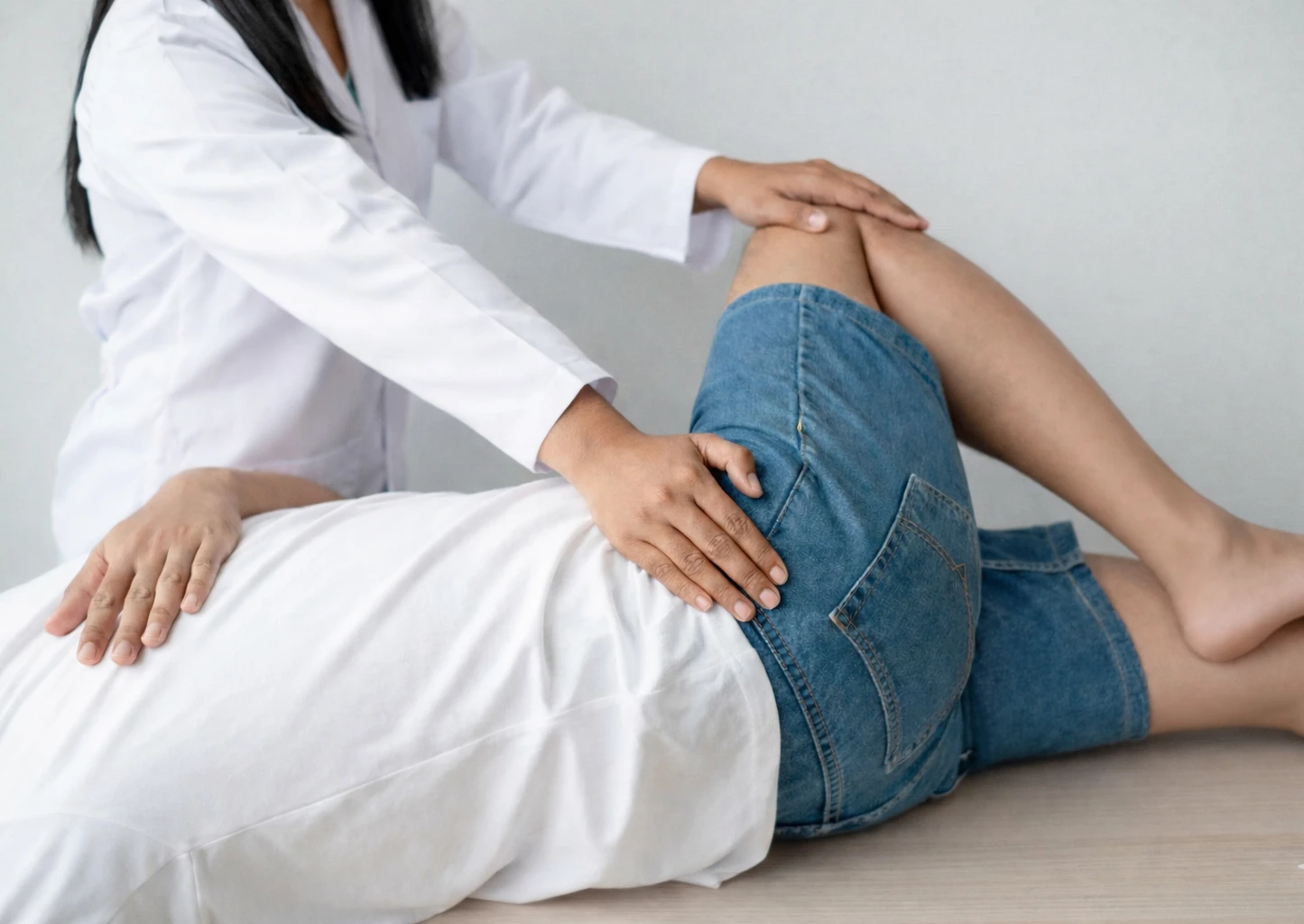
Hip replacement surgery delivers excellent results for severe arthritis, but it’s not always the first or only answer. Many patients with hip pain can achieve significant relief through comprehensive non-surgical approaches, often delaying or eliminating the need for surgery entirely.
Understanding your non-surgical options empowers you to make informed treatment decisions and potentially preserve your natural hip for years longer. The key lies in matching the right treatments to your specific condition, implementing them consistently, and working with experienced healthcare providers who support conservative management when appropriate.
When Non-Surgical Treatment Makes Sense
Ideal Candidates for Conservative Management:
- Early to moderate hip osteoarthritis without bone-on-bone contact
- Hip pain that hasn’t progressed to constant, debilitating levels
- Patients seeking to delay surgery for personal or medical reasons
- Active individuals hoping to extend natural joint function
- Young adults with early onset arthritis exploring all options before surgical intervention
Signs Surgery May Still Be Necessary:
- Severe bone-on-bone arthritis with significant deformity
- Night pain consistently disrupting sleep
- Inability to walk reasonable distances despite comprehensive treatment
- Failed response to 6-12 months of appropriate conservative care
- Significant impact on work, family, and quality of life
As detailed in our guide on recognizing hip replacement needs, understanding when conservative treatment has reached its limits helps prevent unnecessary suffering.
1. Targeted Physical Therapy and Exercise
Physical therapy represents the cornerstone of non-surgical hip treatment, with research showing 40-60% pain reduction in appropriate candidates.
Advanced PT Approaches:
Manual Therapy Techniques:
- Joint mobilization improving hip range of motion
- Soft tissue mobilization releasing tight muscles and fascia
- Trigger point release reducing muscle-related pain
- Myofascial release improving tissue quality
Therapeutic Strengthening:
- Hip abductor strengthening (gluteus medius, minimus) for joint stability
- Core strengthening reducing compensatory stress
- Lower extremity strengthening supporting overall mechanics
- Functional movement training for daily activities
Gait and Biomechanics Training:
- Correcting abnormal walking patterns
- Reducing limping and compensation
- Improving weight distribution
- Optimizing movement efficiency
Flexibility and Mobility Work:
- Hip flexor stretching (particularly psoas)
- Hamstring and IT band flexibility
- Piriformis and deep hip rotator stretching
- Dynamic mobility exercises
Evidence-Based Exercise Programs:
Aquatic Therapy:
- Buoyancy reduces joint stress by 80-90%
- Resistance from water strengthens muscles
- Warm water reduces pain and stiffness
- Allows greater range of motion than land-based exercise
Cycling:
- Low-impact cardiovascular exercise
- Maintains hip range of motion
- Strengthens supporting muscles
- Stationary or road cycling both beneficial
Yoga and Streching:
- Improves flexibility and balance
- Reduces stress affecting pain perception
- Low-impact strength building
- Modifications available for hip limitations
PT Success Factors:
- Working with therapist specializing in hip conditions
- Minimum 8-12 weeks of consistent therapy
- Daily home exercise program compliance
- Progressive difficulty as strength improves
- Long-term commitment beyond initial therapy sessions
2. Weight Management and Metabolic Optimization
Every pound of excess weight places 3-6 times the force on hip joints during walking and activities.
Weight Loss Impact:
4-5 KG Reduction:
- Noticeable improvement in daily comfort
- Enhanced sleep quality
- Increased activity tolerance
8+ KG Reduction:
- Significant pain score improvements
- Improved walking distances
- Reduced inflammatory markers
- Potential to delay or avoid surgery for years
As explored in our comprehensive guide on weight loss for joint health, even modest weight reduction produces disproportionately large improvements in hip pain and function.
Anti-Inflammatory Nutrition:
Foods That Support Hip Health:
- Fatty fish (salmon, mackerel, sardines) rich in omega-3s
- Colorful fruits and vegetables providing antioxidants
- Olive oil and nuts for healthy fats
- Turmeric, ginger, and other anti-inflammatory spices
- Green tea with anti-inflammatory compounds
Foods to Limit:
- Processed foods and refined carbohydrates
- Excessive sugar promoting inflammation
- Trans fats and excessive omega-6 oils
- Red meat in large quantities
- Excessive alcohol consumption
3. Injection Therapies
Strategic use of injections can provide significant relief when oral medications and therapy alone prove insufficient.
Corticosteroid Injections:
How They Work:
- Powerful anti-inflammatory effects
- Direct delivery to hip joint
- Rapid pain relief (often within 24-48 hours)
- Effects typically last 1-4 months
Best Use:
- Acute inflammatory flares
- Enabling participation in physical therapy
- “Bridge” therapy while other treatments take effect
- Limited to 3-4 injections yearly
Limitations:
- Temporary relief, not long-term solution
- Potential cartilage damage with excessive use
- Some patients experience minimal benefit
- Requires fluoroscopic or ultrasound guidance for hip (deeper joint)
Hyaluronic Acid (Viscosupplementation):
Mechanism:
- Supplements depleted joint fluid
- Provides cushioning and lubrication
- May have anti-inflammatory properties
- Series of 1-3 injections typically
Expected Outcomes:
- 60-70% of appropriate patients experience meaningful relief
- Benefits develop over 2-4 weeks
- Effects last 6-12 months in responsive patients
- Can be repeated when effects diminish
Best Candidates:
- Mild to moderate osteoarthritis
- Patients unable to tolerate NSAIDs
- Those seeking longer relief than steroids provide
Platelet-Rich Plasma (PRP):
How PRP Works:
- Concentrated platelets from your own blood
- Delivers growth factors to damaged tissue
- May stimulate healing and reduce inflammation
- 1-3 injections spaced 2-4 weeks apart
Research Status:
- Growing evidence for hip osteoarthritis
- More studies needed for definitive conclusions
- Some patients experience significant improvement
- Results vary considerably between individuals
Important Note: PRP requires careful patient selection. As detailed in our comprehensive guide on PRP therapy, inappropriate use can worsen symptoms rather than improve them.
Stem Cell and Regenerative Therapies:
Current Status:
- Bone marrow aspirate concentrate (BMAC) showing promise
- Adipose-derived stem cells under investigation
- Limited but encouraging early research
- Expensive and rarely covered by insurance
Critical Considerations:
- Avoid clinics making unrealistic promises
- Seek treatment from board-certified orthopedic specialists
- Understand these remain largely experimental
- No treatment can regrow severely damaged cartilage
4. Medications for Pain and Inflammation
Pharmaceutical management plays a supporting role in comprehensive hip care.
Over-the-Counter Options:
NSAIDs (Non-Steroidal Anti-Inflammatory Drugs):
- Ibuprofen, naproxen reducing pain and inflammation
- Topical NSAIDs (diclofenac gel) for localized application
- Lower systemic side effects with topical formulations
- Use lowest effective dose for shortest duration
Acetaminophen:
- Pure pain relief without anti-inflammatory effects
- Safer for long-term use than NSAIDs
- May be combined with NSAIDs for enhanced effect
- Less effective than NSAIDs for inflammatory arthritis
Prescription Medications:
COX-2 Inhibitors:
- Celecoxib (Celebrex) with reduced GI side effects
- Effective for arthritis pain
- Requires cardiovascular risk assessment
- May be safer for long-term use than traditional NSAIDs
Duloxetine (Cymbalta):
- FDA-approved for chronic musculoskeletal pain
- Addresses pain processing in central nervous system
- May help when other medications insufficient
- Also treats associated depression or anxiety
Tramadol:
- Mild opioid for moderate pain
- Used when NSAIDs contraindicated or insufficient
- Lower addiction risk than stronger opioids
- Can cause drowsiness and constipation
Supplements with Research Support:
Glucosamine and Chondroitin:
- Mixed research results for hip osteoarthritis
- Some patients report benefit
- Generally safe with few side effects
- May require 2-3 months to assess effectiveness
Omega-3 Fatty Acids:
- Anti-inflammatory effects throughout body
- May reduce joint stiffness and pain
- Excellent safety profile
- Benefits extend beyond joint health
Curcumin (Turmeric):
- Natural anti-inflammatory properties
- Some research supports pain reduction
- Enhanced absorption with black pepper (piperine)
- Generally safe but may interact with blood thinners
5. Assistive Devices and Activity Modification
Strategic use of assistive devices and smart activity changes significantly reduce hip stress.
Mobility Aids:
Walking Aids:
- Cane (used in opposite hand from affected hip) reduces load by 20-30%
- Walking poles for outdoor activities providing bilateral support
- Walker for severe symptoms or balance concerns
- Temporary use during flares, not necessarily permanent
Orthotics and Shoe Modifications:
- Custom orthotics correcting alignment issues
- Shoe lifts if leg length discrepancy present
- Well-cushioned, supportive footwear
- Rocker-bottom shoes reducing hip stress
Activity Modifications:
Low-Impact Exercise Substitutions:
- Swimming instead of running
- Cycling instead of high-impact aerobics
- Elliptical machines instead of jogging
- Yoga instead of contact sports
Daily Activity Adaptations:
- Elevated seating reducing hip flexion stress
- Grab bars and handrails for support
- Long-handled tools avoiding excessive bending
- Frequent position changes preventing stiffness
Work Environment Adjustments:
- Sit-stand desk for occupational standing
- Ergonomic seating with proper support
- Anti-fatigue mats for standing work
- Regular movement breaks
6. Hip Preservation Procedures
For specific conditions, minimally invasive procedures can address underlying problems before arthritis becomes severe.
Hip Arthroscopy:
Conditions Treated:
- Femoroacetabular impingement (FAI)
- Labral tears
- Loose bodies in the joint
- Some cartilage damage
Procedure Details:
- Minimally invasive with small incisions
- Camera and instruments inserted into hip joint
- Shaves bone spurs, repairs labrum, removes debris
- Outpatient procedure with 3-6 month recovery
Best Candidates:
- Early-stage arthritis or pre-arthritic conditions
- Specific mechanical problems identified on imaging
- Active individuals wanting to preserve natural hip
- Failed conservative treatment for FAI or labral tears
Success Rates:
- 70-80% good to excellent results in appropriate candidates
- May delay hip replacement 5-10+ years
- Earlier intervention typically better outcomes
- Patient selection crucial for success
Periacetabular Osteotomy (PAO):
For Hip Dysplasia:
- Complex surgery realigning hip socket
- Repositions acetabulum to better cover femoral head
- Lengthy recovery (6-12 months)
- Can prevent or delay arthritis development for decades
Best Candidates:
- Young adults with hip dysplasia before severe arthritis
- Minimal existing cartilage damage
- Motivated for extensive rehabilitation
- Performed at specialized centers by experienced surgeons
Femoral Osteotomy:
Bone Realignment:
- Redirects forces to healthier cartilage areas
- Complex procedure for specific deformities
- Requires significant recovery time
- May delay hip replacement 10+ years in select patients
7. Complementary and Integrative Approaches
Evidence-based complementary therapies enhance conventional treatments.
Acupuncture:
Research Support:
- Multiple studies show effectiveness for hip osteoarthritis
- May reduce pain by 30-40% in responsive patients
- Generally safe with minimal side effects
- Requires multiple sessions for optimal benefit
Treatment Protocol:
- 1-2 sessions weekly initially
- May taper to maintenance frequency
- Effects often cumulative over time
- Works best combined with other treatments
Massage Therapy:
Benefits:
- Reduces muscle tension around hip
- Improves circulation to affected area
- May reduce pain perception
- Provides psychological relaxation benefits
Focus Areas:
- Hip flexors, glutes, and IT band
- Lower back muscles compensating for hip pain
- Trigger points referring pain to hip
- Regular sessions (weekly to monthly) more effective
Mind-Body Techniques:
Meditation and Mindfulness:
- Reduces pain perception through central mechanisms
- Decreases stress amplifying pain
- Improves coping with chronic pain
- Free or low-cost intervention
Cognitive Behavioral Therapy (CBT):
- Addresses thought patterns affecting pain experience
- Teaches coping strategies
- Reduces depression and anxiety associated with chronic pain
- Enhances effectiveness of other treatments
8. Advanced Modalities
Newer technologies show promise for specific patients.
Platelet-Rich Plasma (PRP) with Bone Marrow Aspirate:
- Combines PRP with stem cells from bone marrow
- More complex and expensive than PRP alone
- Limited but promising research
- Reserved for patients wanting to avoid surgery
Shockwave Therapy (ESWT):
- High-energy sound waves to affected area
- May stimulate healing processes
- Limited evidence specifically for hip osteoarthritis
- Sometimes used for associated tendinopathies
Radiofrequency Ablation:
- Disables pain-transmitting nerves around hip
- For patients with pain not responding to other treatments
- Temporary relief (6-12 months typical)
- Can be repeated if effective
Creating Your Comprehensive Treatment Plan
The most effective approach combines multiple strategies tailored to your specific situation.
Phase 1: Foundation (Weeks 1-4)
- Begin physical therapy with specialized therapist
- Implement anti-inflammatory nutrition changes
- Start appropriate exercise program
- Optimize pain management with medications
- Use assistive devices if needed
Phase 2: Active Treatment (Weeks 4-12)
- Progress physical therapy intensity
- Consider injection therapy if insufficient progress
- Achieve initial weight loss goals if applicable
- Add complementary treatments (acupuncture, massage)
- Evaluate effectiveness and adjust approach
Phase 3: Long-Term Management (Months 3+)
- Transition to maintenance exercise program
- Continue anti-inflammatory lifestyle habits
- Periodic “tune-up” sessions with physical therapist
- Consider additional injections if previous ones helped
- Regular reassessment of progress and goals
Monitoring Progress and Adjusting Strategy
Signs of Success:
- Reduced pain scores over time
- Improved walking distance and endurance
- Better sleep quality
- Increased participation in desired activities
- Reduced medication needs
- Enhanced quality of life
When to Reassess:
- No improvement after 3 months of comprehensive treatment
- Progressive worsening despite appropriate care
- New limitations developing
- Pain significantly affecting work, family, or mental health
- Inability to achieve functional goals despite maximal conservative care
When Surgery Becomes Appropriate
Non-surgical approaches work well for many patients but aren’t indefinite solutions for everyone.
Red Flags for Surgical Consultation:
- Progressive joint deformity despite conservative management
- Constant pain interfering with sleep and daily function
- Severe activity limitations affecting livelihood
- Failed comprehensive conservative treatment over 6-12 months
- X-rays showing severe bone-on-bone arthritis
When these signs develop, exploring surgical options including partial or total hip replacement becomes appropriate.
Success Factors for Non-Surgical Treatment
Patient Factors:
- Realistic expectations about gradual improvement
- Commitment to lifestyle changes
- Active participation in therapy and home exercises
- Patience with treatments requiring months for full effect
- Willingness to modify activities
Treatment Factors:
- Early intervention before severe joint damage
- Comprehensive approach combining multiple strategies
- Professional guidance from experienced providers
- Regular monitoring and treatment adjustment
- Appropriate use of advanced therapies when indicated
Environmental Factors:
- Support system for lifestyle changes
- Access to qualified healthcare providers
- Financial resources for treatments not always covered by insurance
- Time availability for therapy and appointments
- Work flexibility for treatment engagement
The Bottom Line: Hope Before Surgery
Hip replacement alternatives offer genuine potential for significant pain relief and functional improvement. While not everyone will avoid surgery indefinitely, most patients can achieve meaningful benefit through comprehensive conservative care.
Key Takeaways:
- Physical therapy and exercise form the foundation of non-surgical care
- Weight management produces disproportionate improvements in hip pain
- Injection therapies provide valuable relief for many patients when used appropriately
- Multiple approaches together work better than any single treatment
- Early intervention typically produces better results
- Patient commitment essential for maximizing non-surgical success
- Regular monitoring ensures timely adjustment of treatment strategy
Conservative hip treatment is about ensuring that if surgery eventually becomes appropriate, you’ve given your natural hip every opportunity to serve you well. For many patients, comprehensive non-surgical care provides years of improved function while preserving the natural joint.
The journey toward hip pain relief may not require an operating room. With the right combination of treatments, professional guidance, and personal commitment, many patients find that non-surgical approaches provide the relief and function they seek.
Your hip deserves a comprehensive conservative trial before considering surgery. Work with healthcare providers who understand both the potential and limitations of non-surgical approaches, and who will support you through the process of finding the right combination of treatments for your specific situation.
Start early, think comprehensively, and commit fully. Your natural hip and your future self will benefit from the investment in exploring all available alternatives before proceeding to surgical intervention.
Leave a Reply