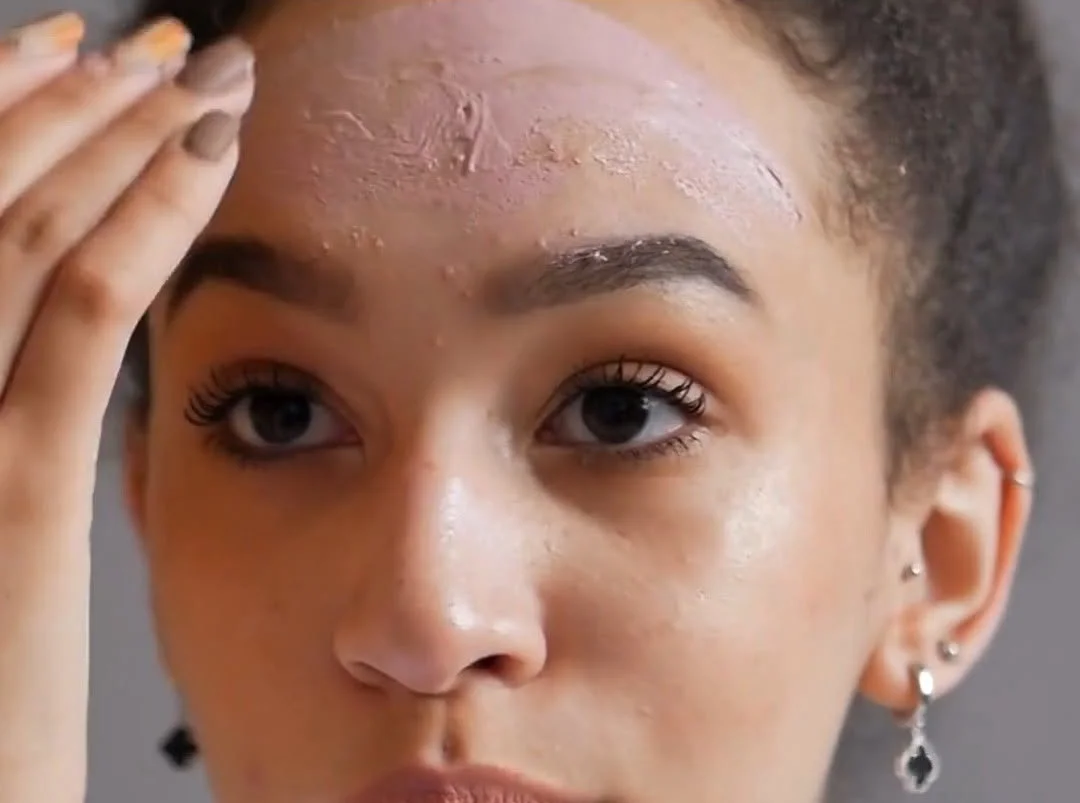
I tried everything the beautician recommended, but my skin only got worse.” I hear this sentence multiple times weekly in my dermatology clinic. Patients arrive after months, sometimes years of treatments at salons and beauty parlors, their skin conditions worsened, money wasted, and in some cases, permanent damage done.
The confusion is understandable. Both dermatologists and beauticians work with skin. Both offer facials, treatments, and product recommendations. The distinction seems blurry until it isn’t. Until a simple pigmentation becomes deep melasma. Until acne becomes scarring. Until a rash becomes a severe allergic reaction.
As a board-certified dermatologist practicing in Delhi, I’ve witnessed preventable skin damage caused by well-meaning but unqualified practitioners. I’ve also seen beauticians do excellent work within their scope providing relaxing facials, basic cleansing, and cosmetic services that enhance appearance without medical intervention.
The question isn’t whether one is “better” than the other. It’s understanding who is qualified to do what, when you need medical expertise versus cosmetic services, and how to protect yourself from practitioners operating beyond their training.
Understanding the Fundamental Difference
Educational and Training Requirements
Dermatologist qualifications:
- MBBS degree (5.5 years including internship)
- MD in Dermatology (3 years specialized residency)
- Total: 8.5+ years of medical education
- Continuing medical education requirements
- Board certification and licensing
- Trained in: Skin biology, pathology, pharmacology, diagnosis, medical and surgical treatments
Beautician qualifications:
- Certificate courses (3-12 months typically)
- Diploma programs (1-2 years maximum)
- No medical education required
- No standardized licensing in most of India
- Training focus: Cosmetic application, basic facials, hair removal, makeup
The gap: A dermatologist has nearly a decade of medical training. A beautician has months of cosmetic training.
Scope of Practice
What dermatologists can do:
- Diagnose skin, hair, and nail diseases
- Prescribe medications (topical and oral)
- Perform medical procedures (biopsies, surgical excisions)
- Conduct advanced aesthetic treatments (lasers, chemical peels, injectables)
- Treat medical conditions affecting skin
- Identify skin cancers and pre-cancerous lesions
What beauticians should do:
- Basic facials and cleansing
- Cosmetic makeup application
- Hair removal (threading, waxing)
- Basic skincare advice
- Relaxation and pampering services
- Enhancing appearance for special occasions
The critical boundary: Beauticians should never diagnose, prescribe, or treat medical conditions. When they do, they practice medicine without a license illegal and dangerous.
When You Need a Dermatologist
Medical Conditions Requiring Medical Training
Acne and acne scars:
- Prescription medications often necessary
- Medical-grade treatments required
- Risk of scarring without proper treatment
- Potential underlying hormonal issues needing evaluation
Our comprehensive acne warning signs guide identifies when professional medical intervention becomes essential.
Pigmentation disorders:
- Melasma requiring prescription treatments
- Post-inflammatory hyperpigmentation needing medical management
- Vitiligo requiring specialized care
- Potential systemic causes needing investigation
Indian skin’s propensity for pigmentation makes professional evaluation crucial. Our guide on aging in Indian skin explains why pigmentation represents our primary aging concern.
Hair loss:
- Requires medical diagnosis (multiple possible causes)
- Often needs blood tests, scalp examination
- May require prescription medications
- Could indicate systemic health issues
Skin infections:
- Bacterial, fungal, or viral infections
- Require accurate diagnosis and appropriate medication
- Can worsen or spread without proper treatment
- May be contagious
Rashes and inflammatory conditions:
- Eczema, psoriasis, dermatitis
- Require medical diagnosis and prescription treatments
- Can significantly impact quality of life
- May indicate allergies or autoimmune conditions
Moles and growths:
- Need medical evaluation for cancer risk
- Require expertise to identify concerning features
- May need biopsy or surgical removal
- Cannot be treated with cosmetic procedures
Allergic reactions:
- Need proper diagnosis and management
- May require patch testing
- Can become severe without treatment
- Require identification of allergen source
Advanced Aesthetic Treatments
Procedures requiring medical training:
- Chemical peels (medical-grade)
- Laser treatments (all types)
- Microneedling with devices
- Botox and dermal fillers
- Thread lifts
- PRP therapy
- Medical-grade facials like HydraFacial
Our HydraFacial review explains why this treatment requires medical supervision despite being marketed as a “facial.”
Why medical supervision matters:
- Potential complications need immediate medical management
- Dosing and technique require medical understanding
- Risk assessment based on medical history
- Access to prescription-strength products and medications
- Proper sanitation and infection control protocols
Personalized Treatment Plans
Medical approach benefits:
- Comprehensive skin analysis using diagnostic tools
- Blood tests when needed for underlying conditions
- Prescription-strength products unavailable over-counter
- Evidence-based treatment protocols
- Adjustment based on medical response
- Long-term health considerations
When a Beautician Is Appropriate
Services Within Their Scope
Basic skincare and maintenance:
- Regular facials for cleansing and relaxation
- Basic extractions (when properly trained)
- Moisturizing and hydrating treatments
- Facial massage
- Basic product application
Hair removal:
- Threading
- Waxing
- Sugaring
- Basic hair removal services
Cosmetic enhancement:
- Makeup application
- Eyebrow shaping
- Eyelash services (extensions, tinting)
- Special occasion beauty services
Relaxation and pampering:
- Stress relief through facial massage
- Aromatherapy
- General skincare maintenance
- Beauty enhancement without medical intervention
The Value They Provide
Accessibility: More convenient locations, flexible timing, often lower cost for basic services.
Comfort: Familiar neighborhood parlors, established relationships, relaxing environment.
Basic maintenance: Regular cleansing and pampering between dermatologist visits.
Cosmetic expertise: Skilled in makeup, styling, and aesthetic enhancement.
Social experience: Community gathering place, familiar faces, social interaction.
The Dangerous Gray Zone
When Beauticians Overreach
Common problematic scenarios I encounter:
Scenario 1: Diagnosing skin conditions
- Patient: “I have dry skin and these patches.”
- Beautician: “You have eczema. Use this cream.” (Illegal only doctors can diagnose)
- Result: Wrong diagnosis, inappropriate treatment, condition worsens.
Scenario 2: Prescribing treatments
- Patient: “My face has dark spots.”
- Beautician: “You need this fairness cream with hydroquinone.” (Illegal prescription medication)
- Result: Potential side effects without medical monitoring, possible worsening of pigmentation.
Scenario 3: Performing medical procedures
- Beautician offers “laser hair removal” or “chemical peels” without medical supervision
- Result: Burns, scarring, infections, permanent damage.
Scenario 4: Selling prescription medications
- Beauticians dispensing tretinoin, hydroquinone, steroids without prescription
- Result: Improper use, side effects, no medical monitoring, legal violations.
Real Cases of Beautician-Caused Damage
Case 1: Steroid-induced skin damage
- Patient used “fairness cream” from beautician for 2 years
- Contained potent steroids (illegal, undisclosed)
- Developed thin, damaged skin, visible blood vessels, steroid addiction
- Required months of medical treatment to recover
Case 2: Chemical burn from unauthorized peel
- Beautician performed “deep peel” without proper training
- Severe chemical burns, scarring
- Permanent pigmentation changes
- Legal action, but damage irreversible
Case 3: Infection from unhygienic extractions
- Improper sterilization during acne extractions
- Bacterial infection spreading across face
- Required oral antibiotics, left scarring
- Could have been prevented with proper protocols
Case 4: Allergic reaction to unauthorized products
- Beautician used professional-grade products without proper training
- Severe allergic reaction, facial swelling
- Emergency medical treatment required
- Long-term sensitivity developed
Why This Happens
Lack of medical knowledge:
- Cannot distinguish between cosmetic concerns and medical conditions
- Don’t understand contraindications or complications
- Lack training in anatomy, physiology, pathology
Commercial pressure:
- Financial incentive to offer more services
- Competition with clinics and spas
- Customer requests for treatments beyond their scope
Regulatory gaps:
- Limited oversight of beauty industry
- No standardized training or certification requirements
- Difficulty enforcing scope-of-practice boundaries
Customer demand:
- Patients seeking cheaper alternatives
- Preference for familiar, convenient locations
- Lack of understanding about qualification differences
How to Protect Yourself
Red Flags at Beauty Parlors
Warning signs to watch for:
- Beautician “diagnosing” skin conditions
- Offering prescription medications without prescription
- Performing procedures claimed to be “laser” or “medical-grade”
- Guaranteeing results for medical conditions
- Dismissing need for dermatologist consultation
- Using unmarked or suspicious products
- Poor hygiene or sanitation practices
- Reluctance to share product ingredient lists
Questions to Ask
Before any treatment:
- What are your qualifications and training for this procedure?
- Is there medical supervision available?
- What products will be used? (Ask to see labels)
- What are potential side effects or complications?
- What is your protocol if something goes wrong?
- Can you provide references or credentials?
- Is this treatment within a beautician’s legal scope?
If answers are vague or concerning: Walk away.
Know Your Rights
Legal protections:
- Right to know practitioner qualifications
- Right to see product labels and ingredients
- Right to refuse any treatment
- Right to medical care if complications occur
- Right to report illegal medical practice
When to report:
- Beauticians diagnosing or prescribing
- Unauthorized medical procedures
- Unhygienic conditions
- Misrepresentation of qualifications
- Selling prescription medications
The Ideal Approach: Using Both Appropriately
Building a Comprehensive Skincare Team
Your dermatologist’s role:
- Annual skin health check-ups
- Treatment of any medical conditions
- Prescription products and medications
- Advanced aesthetic procedures
- Ongoing monitoring of skin health
- Medical-grade treatments when needed
Your beautician’s role:
- Regular basic facials for maintenance
- Hair removal services
- Makeup for special occasions
- Relaxation and pampering
- Basic cleansing between dermatologist visits
- Cosmetic enhancement
The synergy: Professional medical care combined with appropriate cosmetic maintenance provides optimal results.
Communication Between Providers
Best practice: Inform your dermatologist about salon treatments you receive. Inform your beautician about medical treatments you’re undergoing.
Why this matters:
- Avoid product or treatment conflicts
- Ensure appropriate timing of procedures
- Prevent complications from incompatible treatments
- Maximize benefits of both approaches
Cost Considerations and Value
The True Cost of Choosing Wrong
Cheaper is not better when health is at stake:
Scenario: “Saving money” at salon
- ₹2,000 for “skin lightening treatment” at salon
- Condition worsens
- ₹15,000+ for dermatologist to repair damage
- Months of treatment needed
- Potential permanent damage
Scenario: Investing in proper care
- ₹2,000 dermatologist consultation
- ₹3,000 prescription treatment
- ₹5,000 total
- Condition improves appropriately
- No complications or damage
The math: Short-term savings often lead to long-term costs exponentially higher than proper treatment would have been.
When Dermatology Is Worth the Investment
Medical necessity: No choice – only qualified provider for medical conditions.
Prevention: Early professional intervention prevents expensive problems later.
Safety: Proper training and medical backup protect against complications.
Efficacy: Evidence-based treatments deliver results; unqualified treatments waste money.
Legal protection: Medical malpractice insurance and oversight provide recourse if problems occur.
Navigating the Beauty and Medical Aesthetic Industry
Understanding Different Provider Types
Board-certified dermatologist:
- Medical doctor specializing in skin
- Highest level of expertise and training
- Can diagnose and treat all skin conditions
- Can perform all procedures legally
Cosmetic dermatologist:
- Dermatologist with additional aesthetic training
- Combines medical expertise with cosmetic procedures
- Ideal for both health and appearance concerns
Medical aesthetician:
- Works under dermatologist supervision
- More training than beauticians
- Can perform certain procedures with oversight
- Operating within medical practice
Beautician/esthetician:
- Cosmetic training only
- Should work within scope of basic beauty services
- No medical diagnosis or prescription authority
The distinction matters: Know who you’re seeing and what they’re qualified to do.
Verifying Credentials
For dermatologists:
- Check medical council registration
- Verify MD degree and specialization
- Look for board certification
- Review experience and training
- Check clinic reputation and reviews
For beauticians:
- Ask about training and certification
- Verify they’re not claiming medical expertise
- Check hygiene and safety practices
- Read reviews focusing on safety, not just results
Making Informed Decisions
Before booking any treatment:
- Understand what the treatment involves
- Know potential risks and complications
- Verify provider qualifications
- Ensure treatment is appropriate for your concern
- Have realistic expectations
- Know what to do if problems occur
Special Considerations for Indian Patients
Cultural Factors
Trust in local beauticians: Deep-rooted relationships with neighborhood parlors create trust that may be misplaced regarding medical matters.
Cost sensitivity: Economic factors drive patients toward cheaper options, even when inappropriate.
Beauty standards: Cultural pressure regarding fairness and appearance drives demand for treatments that should require medical supervision.
Family influence: Relatives’ recommendations carry weight, even when based on anecdotal rather than medical evidence.
Environmental Challenges
Delhi-specific concerns:
- Pollution damage requiring medical-grade treatments
- Pigmentation issues common in Indian skin
- Skin sensitivity from environmental stress
- Need for specialized expertise with ethnic skin
Our comprehensive guides on Delhi pollution skincare and winter skin protection explain why professional medical guidance is particularly important in Delhi’s challenging environment.
Product Availability Issues
Unregulated market: Easy access to prescription-strength products without prescription, often through beauty parlors.
Counterfeit products: Fake versions of legitimate products sold through unauthorized channels.
Quality variations: Products of unknown origin or questionable quality.
The solution: Purchase prescription products only from legitimate medical sources with doctor supervision.
Building Your Skin Health Strategy
The Annual Dermatology Check-Up
Why everyone should see a dermatologist annually:
- Skin cancer screening
- Early detection of concerning changes
- Professional assessment of skin health
- Personalized product and treatment recommendations
- Establishment of baseline for future comparison
- Access to prescription treatments if needed
Cost: ₹1,000-3,000 annually minimal investment for significant protection.
Creating Your Personal Care Plan
Medical foundation (dermatologist-managed):
- Treatment of any existing conditions
- Prescription products as needed
- Advanced treatments when appropriate
- Ongoing monitoring
Cosmetic enhancement (beautician-provided):
- Regular basic facials
- Hair removal services
- Special occasion makeup
- Maintenance between medical treatments
Home care (self-managed):
- Daily skincare routine
- Products recommended by dermatologist
- Sun protection
- General health and wellness
The integration: All three components work together for optimal skin health and appearance.
Common Myths and Misconceptions
Myth 1: “Beauticians Know Just as Much About Skin”
Reality: Beauticians have cosmetic training; dermatologists have medical training. Completely different knowledge bases.
Myth 2: “Dermatologists Are Only for Serious Problems”
Reality: Dermatologists treat everything from basic acne to skin cancer. Annual check-ups benefit everyone.
Myth 3: “Salon Treatments Are Just as Good as Clinical Ones”
Reality: Without medical-grade products, proper equipment, and medical expertise, salon treatments have inherent limitations. Some treatments should never be done outside medical settings.
Myth 4: “It’s Too Expensive to See a Dermatologist”
Reality: Preventing problems or treating them correctly the first time costs less than fixing damage from improper treatment. Single consultation often costs less than multiple failed salon treatments.
Myth 5: “I Can Diagnose My Own Skin Problems”
Reality: Even dermatologists consult colleagues for their own skin concerns. Self-diagnosis frequently leads to wrong treatments and wasted money.
Conclusion: Making Smart Choices for Your Skin
The question isn’t dermatologist versus beautician it’s understanding when you need medical expertise and when cosmetic services are appropriate.
The simple rule: If you have a medical condition, symptoms you can’t explain, or need diagnosis and treatment see a dermatologist. If you want basic cleansing, pampering, and cosmetic enhancement – a skilled beautician is fine.
The danger zone: When beauticians operate beyond their scope, or when patients try to save money by avoiding appropriate medical care.
The smart approach:
- Annual dermatologist check-ups for everyone
- Immediate dermatologist consultation for any concerning symptoms
- Medical-grade treatments only from qualified medical professionals
- Basic cosmetic services from skilled beauticians working within their scope
- Never accepting “diagnosis” or prescription from non-medical providers
Your skin is your largest organ and deserves proper medical care when needed. Beauticians provide valuable services within their appropriate scope. Dermatologists provide medical expertise essential for health and many aesthetic concerns.
Choose the right provider for the right service. Your skin’s health and appearance depend on it.
Dr. Shruti Patil is a board-certified dermatologist at Dr. Mahajan Skin To Bone Clinic, Pashim Vihar, New Delhi. With extensive experience treating complications from improper treatments and educating patients about appropriate care, she advocates for informed decision-making and proper professional qualification verification.
Unsure whether your skin concern requires medical treatment or cosmetic care? Schedule a consultation for professional assessment and personalized guidance on the most appropriate treatment approach for your specific needs.
Leave a Reply