
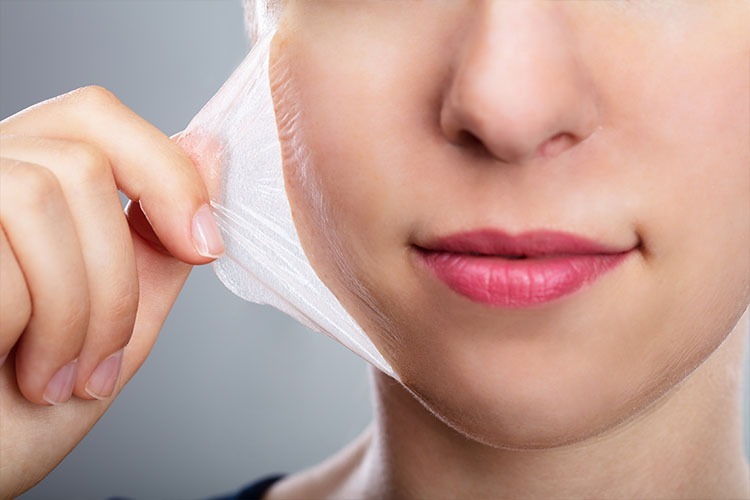
“Should I get a chemical peel or laser treatment?” This question dominates consultations at my dermatology clinic in Delhi. Patients arrive confused by conflicting advice from friends, overwhelmed by marketing claims, and uncertain which treatment actually addresses their concerns.
The confusion is understandable. Both treatments promise smoother skin, reduced pigmentation, and younger appearance. Both involve some downtime. Both require professional administration. The prices overlap. So how do you choose?
As a dermatologist who performs both treatments daily on diverse skin types, I can tell you the answer isn’t simple. Chemical peels and lasers work through completely different mechanisms, address different concerns with varying effectiveness, carry different risks for Indian skin, and suit different patient profiles.
The wrong choice wastes money and time or worse, causes complications like permanent hyperpigmentation or scarring. The right choice delivers transformative results that home care alone cannot achieve.
Let me break down exactly what each treatment does, who benefits most from which approach, and how to make an informed decision based on your specific skin concerns, type, and goals.
Understanding the Fundamental Differences
Chemical Peels: Controlled Chemical Exfoliation
The mechanism: Chemical solutions containing acids dissolve bonds between dead skin cells, causing controlled shedding of surface layers and stimulating renewal underneath.
How it works:
- Acids penetrate to specific depths based on type and concentration
- Break down intercellular cement holding dead cells
- Trigger controlled inflammation and healing response
- Stimulate collagen production in deeper peels
- Reveal fresh, undamaged skin underneath
Types by depth:
Superficial peels (epidermis only):
- Alpha-hydroxy acids (glycolic, lactic, mandelic)
- Low-concentration salicylic acid
- Minimal downtime
- Series of treatments needed
Medium peels (upper dermis):
- TCA (trichloroacetic acid) 20-35%
- Jessner’s solution
- Combination formulations
- Moderate downtime
- Significant visible improvement
Deep peels (mid-dermis):
- TCA 50%+
- Phenol peels
- Substantial downtime
- Dramatic results
- Rarely appropriate for Indian skin due to pigmentation risk
Laser Treatments: Targeted Light Energy
The mechanism: Concentrated light energy of specific wavelengths targets particular chromophores (melanin, hemoglobin, water) in skin, causing precise controlled damage that triggers healing and renewal.
How it works:
- Light energy converts to heat in target tissue
- Creates controlled micro-injuries
- Triggers natural healing cascade
- Stimulates collagen production
- Removes unwanted pigment, vessels, or damaged tissue
Types by mechanism:
Ablative lasers (remove tissue):
- CO2 laser
- Erbium YAG laser
- Significant downtime
- Dramatic results
- Higher complication risk for Indian skin
Non-ablative lasers (heat without removal):
- Nd:YAG laser
- Diode lasers
- Minimal downtime
- Gentler results
- Safer for darker skin tones
Fractional lasers (treat portions, not entire surface):
- Fractional CO2
- Fractional erbium
- Balance between results and downtime
- Increasingly popular option
Specialized lasers:
- Q-switched lasers for pigmentation
- Vascular lasers for redness/vessels
- Hair removal lasers
- Each targets specific concerns
Our comprehensive guide on laser hair removal safety and treatment timeline provides detailed information about one common laser application.
What Each Treatment Addresses Best
Chemical Peels Excel At
Pigmentation issues:
- Melasma (with appropriate peel selection)
- Post-inflammatory hyperpigmentation
- Sun damage and age spots
- Uneven skin tone
- Dullness and loss of radiance
This addresses a primary concern in Indian skin aging. Our guide on aging in Indian skin explains why pigmentation represents our first visible aging sign.
Texture improvement:
- Fine lines and wrinkles
- Rough, uneven surface
- Enlarged pores
- Mild acne scarring
Acne management:
- Active acne treatment
- Oil control
- Pore unclogging
- Prevention of new breakouts
Overall skin rejuvenation:
- Dull, tired-looking skin
- Loss of glow
- Premature aging signs
- General skin quality improvement
Laser Treatments Excel At
Specific pigmentation:
- Deep, stubborn melasma (certain laser types)
- Birthmarks and nevi
- Tattoo removal
- Resistant age spots
Vascular concerns:
- Visible blood vessels
- Rosacea-related redness
- Spider veins on face
- Port wine stains
Structural issues:
- Deep wrinkles and lines
- Significant skin laxity
- Moderate to severe acne scars
- Surgical scar revision
Textural concerns:
- Significant rough texture
- Deep pore issues
- Sun damage requiring deeper treatment
- Severe photoaging
Hair removal:
- Permanent hair reduction
- Various body areas
- Different hair and skin types
The Indian Skin Factor: Critical Considerations
Why Skin Type Matters Enormously
Indian skin (typically Fitzpatrick Type IV-V) responds differently than lighter skin (Type I-III) to both treatments:
Higher melanin content creates:
- Greater risk of post-inflammatory hyperpigmentation
- Different healing patterns
- Need for lower energy settings
- Longer treatment intervals
- Modified protocols essential
Specific considerations:
- Chemical peels generally safer for Indian skin when properly selected
- Lasers require expertise in darker skin tones
- Some laser types unsuitable for Indian skin
- Conservative approach essential with both treatments
Chemical Peels for Indian Skin
Safer options:
- Mandelic acid (gentlest, excellent for pigmentation)
- Lactic acid (hydrating, lower irritation risk)
- Low-concentration glycolic acid (effective but requires care)
- Kojic acid (specifically targets pigmentation)
- Combination peels designed for darker skin
Higher-risk options requiring expertise:
- High-concentration glycolic acid
- TCA peels (medium-depth)
- Any deep peels (generally avoided)
Why often preferred: Predictable depth control, lower hyperpigmentation risk than aggressive lasers, proven track record with ethnic skin.
Lasers for Indian Skin
Safer laser options:
- Nd:YAG 1064nm (gold standard for darker skin)
- Q-switched lasers for pigmentation (with expertise)
- Fractional non-ablative lasers
- Diode lasers for hair removal
Higher-risk options:
- Ablative CO2 lasers
- Intense Pulsed Light (IPL)
- Alexandrite lasers (hair removal)
- Any high-energy ablative treatments
Why expertise crucial: Wrong laser type or settings can cause permanent hyperpigmentation or scarring in Indian skin. Our guide on dermatologist vs. beautician emphasizes why qualified medical professionals are essential for these treatments.
Comparing Results: What to Expect
Chemical Peels Results Timeline
Immediate (during/right after):
- Slight tingling or burning during application
- Possible redness immediately after
- Skin may feel tight
24-72 hours:
- Peeling begins (superficial peels)
- Flaking and shedding
- Redness subsiding
- Avoid picking or pulling skin
1 week:
- Most peeling complete
- Fresh skin revealed
- Noticeable glow and smoothness
- Makeup can resume
2-4 weeks:
- Full results visible
- Improved texture and tone
- Reduced pigmentation
- Enhanced radiance
Long-term (series of peels):
- Cumulative improvement
- Progressive pigmentation reduction
- Continued texture refinement
- Maintenance of results
Laser Treatment Results Timeline
Immediate:
- Redness and possible swelling
- Feeling of warmth or sunburn
- For ablative: immediate visible change
- For non-ablative: minimal visible change
24-72 hours:
- Swelling subsides
- Crusting may develop (ablative)
- For pigment lasers: darkening of treated spots
- Redness decreasing
1-2 weeks:
- For ablative: significant peeling and healing
- For pigment treatment: treated areas flaking off
- For non-ablative: minimal visible change
- Social downtime ending
1-3 months:
- Collagen stimulation beginning
- Progressive improvement
- Full results emerging
- Multiple treatments may be needed
Long-term:
- Continued collagen remodeling (3-6 months)
- Maintenance treatments as needed
- Results sustained with proper care
Treatment Selection by Concern
For Pigmentation and Melasma
Chemical peels often first choice:
- Lower hyperpigmentation risk
- Proven effectiveness for melasma
- Cost-effective for widespread pigmentation
- Can treat large areas easily
Best peel options:
- Mandelic acid series
- Kojic acid peels
- Glycolic acid (low concentration)
- TCA (with expertise, carefully)
When lasers might be better:
- Very stubborn, localized pigmentation
- After failed peel attempts
- Specific types of pigmentation (some lasers target melanin precisely)
- Combined with peels for comprehensive approach
Laser options for pigmentation:
- Q-switched Nd:YAG
- Fractional non-ablative
- Specialized pigment lasers
Cost comparison:
- Peels: ₹2,500-6,000 per session
- Lasers: ₹5,000-20,000 per session
For Acne and Acne Scars
Active acne:
- Chemical peels preferred
- Salicylic acid excellent option
- Treats entire face
- Controls oil production
- Cost: ₹2,000-5,000
Superficial acne scars:
- Either treatment works
- Peels: TCA cross for ice-pick scars
- Lasers: Fractional for broader scarring
- Often combined for best results
Deep acne scars:
- Lasers generally superior
- Fractional CO2 or erbium
- Significant improvement possible
- Higher cost but dramatic results
- Cost: ₹8,000-25,000 per session
For comprehensive acne management, our acne warning signs guide helps determine when professional treatment is essential.
For Anti-Aging and Wrinkles
Early aging (fine lines, texture):
- Chemical peels excellent choice
- Gentler, progressive improvement
- Stimulates collagen over series
- More affordable
- Series of 4-6 peels: ₹10,000-30,000
Moderate aging (deeper lines, laxity):
- Lasers likely more effective
- Fractional treatments popular
- Significant collagen stimulation
- Visible improvement
- 3-4 sessions: ₹25,000-80,000
Advanced aging (severe wrinkles, sagging):
- Ablative lasers most effective non-surgical option
- Significant downtime but dramatic results
- May require combination approach
- Consider other modalities (fillers, threads, surgery)
For Skin Texture and Tone
Mild texture issues, dullness:
- Chemical peels ideal
- Quick, affordable, effective
- No downtime concerns
- Immediate glow
Moderate texture problems:
- Either treatment works
- Choice based on other factors
- Often combined for optimal results
Severe texture issues, scarring:
- Lasers generally superior
- Deeper penetration
- More dramatic improvement
- Higher investment justified
Downtime and Recovery Comparison
Chemical Peels Recovery
Superficial peels:
- Minimal downtime
- Light flaking 3-5 days
- Can work immediately after
- Makeup next day
- Social activities unaffected
Medium peels:
- Moderate downtime
- Significant peeling 5-7 days
- Redness may persist 1-2 weeks
- Plan around social events
- Full recovery 2 weeks
Deep peels (rare for Indian skin):
- Significant downtime
- 2-3 weeks recovery
- Bandages may be needed
- Rarely recommended
Laser Treatment Recovery
Non-ablative lasers:
- Minimal downtime
- Redness few hours to 2 days
- Resume normal activities immediately
- Makeup possible next day
Fractional ablative:
- Moderate downtime
- Redness and swelling 3-5 days
- Crusting/peeling 5-7 days
- Social downtime 1 week
- Full healing 2 weeks
Fully ablative (rare for Indian skin):
- Significant downtime
- 2-3 weeks recovery
- Risk/benefit usually unfavorable for darker skin
Safety and Risks
Chemical Peel Complications
Common, minor:
- Temporary redness
- Flaking and peeling
- Skin sensitivity
- Tightness
Less common, manageable:
- Prolonged redness (weeks)
- Post-inflammatory hyperpigmentation (more common in Indian skin)
- Infection (with poor aftercare)
- Acne flare
Rare but serious:
- Scarring (with deep peels or improper application)
- Permanent hyperpigmentation
- Allergic reactions
Risk minimization:
- Proper candidate selection
- Appropriate peel type and concentration
- Pre-treatment preparation
- Post-treatment care compliance
- Experienced provider
Laser Treatment Complications
Common, minor:
- Redness and swelling
- Temporary hyperpigmentation
- Sensitivity
- Crusting
Less common, manageable:
- Prolonged hyperpigmentation (significant concern in Indian skin)
- Hypopigmentation (lightening)
- Acne or milia
- Infection
Rare but serious:
- Permanent pigmentation changes
- Scarring
- Textural changes
- Burns (improper settings)
Risk minimization:
- Provider experienced with Indian skin essential
- Conservative settings initially
- Proper skin type assessment
- Pre-treatment skin conditioning
- Strict sun protection protocols
Cost Analysis
Chemical Peels Investment
Per-session costs:
- Superficial peels: ₹2,000-5,000
- Medium peels: ₹4,000-8,000
- Specialized peels: ₹5,000-10,000
Typical series requirements:
- Maintenance: 4-6 peels over 6 months
- Treatment: 6-10 peels over 6-12 months
Total investment examples:
- Basic maintenance: ₹12,000-30,000 yearly
- Active treatment: ₹24,000-60,000 for series
Maintenance ongoing: Monthly or quarterly peels to sustain results
Laser Treatment Investment
Per-session costs:
- Non-ablative: ₹5,000-15,000
- Fractional: ₹8,000-25,000
- Specialized (Q-switched for pigment): ₹5,000-15,000
Typical series requirements:
- 3-5 sessions for most concerns
- Spacing: 4-8 weeks apart
Total investment examples:
- Pigmentation treatment: ₹15,000-60,000
- Acne scar treatment: ₹30,000-100,000
- Anti-aging protocol: ₹40,000-150,000
Maintenance: Less frequent than peels, typically 1-2 sessions yearly
Value Comparison
Chemical peels offer better value when:
- Treating large areas
- Addressing superficial concerns
- Maintenance and prevention focused
- Budget is primary concern
- Multiple regular treatments acceptable
Lasers offer better value when:
- Targeting specific deep concerns
- Dramatic improvement desired
- Fewer total treatments preferred
- Downtime possible but limited
- Addressing issues peels cannot
Combination Approaches: Best of Both
Why Combine Treatments
Synergistic benefits:
- Peels address surface concerns
- Lasers treat deeper structures
- Comprehensive skin improvement
- Faster, better results than either alone
Common combinations:
For pigmentation:
- Monthly chemical peels + quarterly laser sessions
- Peels for overall tone, lasers for stubborn spots
For acne scars:
- Peels for texture + lasers for deep scars
- Alternating treatments for progressive improvement
For anti-aging:
- Regular peels for surface renewal
- Annual or bi-annual laser for deeper stimulation
For comprehensive rejuvenation:
- Customized protocols combining both
- Timed appropriately for optimal results
Timing Combinations Properly
Spacing guidelines:
- Wait 2-4 weeks between different treatments
- Never perform both same day
- Allow full healing before next modality
- Professional guidance essential
Making Your Decision: Key Factors
Skin Type and Concern
Fair, lighter skin (less melanin):
- More laser options available
- Lower hyperpigmentation risk
- Either treatment generally safe
Indian/darker skin (more melanin):
- Chemical peels often safer first choice
- Laser selection critical
- Provider expertise absolutely essential
- Conservative approach recommended
Lifestyle and Downtime
Minimal downtime acceptable:
- Superficial chemical peels
- Non-ablative lasers
- Series of gentle treatments
Moderate downtime possible:
- Medium-depth peels
- Fractional lasers
- Fewer, more intensive treatments
Significant downtime acceptable:
- Deeper treatments of either type
- Maximum results in fewer sessions
Budget Considerations
Limited budget:
- Superficial chemical peels best value
- Progressive results over time
- Regular maintenance affordable
Moderate budget:
- Medium peels or non-ablative lasers
- Combination approach possible
- Better results than superficial only
Larger budget:
- Comprehensive combination protocols
- Advanced laser treatments
- Optimal results achievable
Goals and Timeline
Gradual improvement acceptable:
- Chemical peel series
- Regular maintenance approach
- Progressive enhancement
Faster, more dramatic results desired:
- Laser treatments generally better
- Fewer sessions, more visible change
- Higher investment justified
Important upcoming event:
- Single peel 1-2 weeks before
- Or laser treatment 4+ weeks before (depending on type)
- Professional guidance on timing
Professional Assessment: Non-Negotiable
Why You Cannot Self-Diagnose
Individual variation:
- Skin responds differently
- Medical history affects treatment selection
- Medications may contraindicate certain treatments
- Underlying conditions may be present
Professional evaluation determines:
- Appropriate treatment type
- Correct protocol and settings
- Necessary pre-treatment preparation
- Realistic expectations
- Safety considerations
Our HydraFacial review emphasizes why professional-grade treatments require medical supervision even when marketed as “facials.”
Finding Qualified Providers
Essential qualifications:
- Board-certified dermatologist
- Specific training in both modalities
- Extensive experience with Indian/darker skin
- Before-and-after portfolio
- Proper equipment and protocols
Red flags:
- Beautician or unlicensed practitioner offering these treatments
- Extremely low pricing
- Guarantees of specific results
- Pressure tactics
- Lack of clear credentials
The importance of qualified providers cannot be overstated. Our guide on dermatologist vs. beautician explains why medical treatments require medical expertise.
Pre-Treatment Preparation
For Chemical Peels
2-4 weeks before:
- Discontinue retinoids (as directed)
- Start gentle exfoliation if recommended
- Use prescribed pre-peel products
- Strict sun protection
1 week before:
- Avoid waxing or hair removal
- No other facial treatments
- Stop active exfoliants
- Continue sun protection
Day of:
- Arrive with clean, makeup-free face
- Avoid coffee (can increase sensitivity)
- Bring sunscreen for after
For Laser Treatments
4-6 weeks before:
- Avoid sun exposure and tanning
- Start skin conditioning if prescribed
- Discontinue certain medications
- Pre-treatment photography
2 weeks before:
- No waxing, plucking, or chemical hair removal
- Avoid vitamin E, aspirin (if bruising concern)
- Continue sun protection religiously
Day of:
- Clean skin, no makeup or products
- Comfortable clothing
- Arrange transportation if sedation used
Post-Treatment Care
Chemical Peel Aftercare
First 24-48 hours:
- Gentle cleansing only
- No makeup
- Prescribed moisturizer
- Avoid sun exposure
During peeling phase:
- Do NOT pick or pull peeling skin
- Keep skin moisturized
- Gentle cleansing continues
- No exfoliation
2 weeks post-treatment:
- Resume normal skincare gradually
- Daily sunscreen non-negotiable
- Avoid active ingredients temporarily
- Follow provider instructions precisely
Laser Treatment Aftercare
First 24-48 hours:
- Ice packs for swelling
- Prescribed ointment or dressings
- Gentle cleansing if allowed
- No makeup
During healing phase:
- Keep treated areas moisturized
- Do NOT pick at crusts or scabs
- Avoid sun exposure completely
- No swimming or excessive sweating
Long-term:
- Strict sun protection for months
- Gradual return to normal products
- Monitor for complications
- Follow-up appointments as scheduled
Common Mistakes to Avoid
Mistake #1: Choosing Based on Price Alone
The problem: Cheapest option often means unqualified provider, inferior products, or risky protocols.
The solution: Invest in qualified professionals. Complications cost far more than proper treatment.
Mistake #2: Ignoring Skin Type Considerations
The problem: “Everyone’s getting this treatment” doesn’t mean it’s right for Indian skin.
The solution: Choose treatments proven safe and effective for your specific skin type.
Mistake #3: Expecting Instant Permanent Results
The problem: Neither treatment offers overnight permanent transformation.
The solution: Understand realistic timelines and maintenance requirements.
Mistake #4: Skipping Sun Protection
The problem: UV exposure after either treatment can cause severe hyperpigmentation.
The solution: Religious sunscreen use (SPF 50+, reapplied every 2 hours) absolutely non-negotiable.
Mistake #5: Not Following Aftercare Instructions
The problem: Picking at peeling skin or improper care causes complications.
The solution: Follow provider instructions exactly, even if inconvenient.
Mistake #6: Believing Marketing Over Medical Advice
Many treatments promise miracle results. Our skincare scams guide helps identify legitimate treatments versus marketing hype.
Conclusion: Personalized Treatment Selection
Chemical peels and laser treatments both offer genuine benefits when appropriately selected and professionally administered. Neither is universally “better”—each excels for specific concerns in specific skin types.
Choose chemical peels when:
- You have Indian/darker skin requiring conservative approach
- Addressing pigmentation, dullness, texture concerns
- Budget is limited
- Regular maintenance acceptable
- Minimal downtime essential
Choose laser treatments when:
- Specific deep concerns need targeted treatment
- Previous treatments haven’t delivered desired results
- Fewer, more intensive treatments preferred
- Qualified provider experienced with darker skin available
- Budget allows higher investment
Consider combination approach when:
- Comprehensive improvement desired
- Budget allows
- Multiple concerns need addressing
- Professional recommends synergistic protocol
Most importantly: Schedule professional consultation before deciding. Your skin type, specific concerns, medical history, lifestyle, and goals all influence the optimal treatment choice.
The best treatment isn’t the one your friend swears by, the one trending on social media, or the one on sale this month. It’s the one a qualified dermatologist recommends specifically for your individual situation after thorough evaluation.
Dr. Shruti Patil is a board-certified dermatologist at Dr. Mahajan Skin To Bone Clinic, Pashim Vihar, New Delhi. With extensive experience performing both chemical peels and laser treatments on diverse skin types, she specializes in creating personalized treatment protocols that deliver optimal results while minimizing risks for Indian skin.
Ready to determine which treatment is right for your skin concerns? Schedule a consultation for comprehensive assessment and personalized treatment recommendations based on your specific skin type, concerns, and goals.
Leave a Reply